Sustainable Hunting in Hawaii: Ethical Practices That Protect the ʻĀina

In Hawaiʻi, hunting is more than an outdoor activity—it is a responsibility. The islands’ ecosystems are unique and fragile, and sustainable hunting plays an important role in maintaining balance between wildlife, native habitats, and human communities. When practiced ethically, hunting supports conservation efforts and honors the deep connection between people and the ʻāina (land).

At Go Hawaii Outfitters, sustainability and respect guide every hunt.

What Sustainable Hunting Means in Hawaii

Sustainable hunting is the practice of harvesting wildlife in a way that maintains healthy populations and protects native ecosystems. In Hawaiʻi, this concept is especially important due to the presence of invasive species that can threaten native plants, animals, and watersheds.

Ethical hunting helps:

  • Control invasive animal populations
  • Reduce environmental damage to forests and watersheds
  • Support long-term ecological balance

Sustainability ensures that hunting remains a tool for conservation—not exploitation.

The Role of Hunting in Conservation

Many game species in Hawaiʻi, such as feral pigs and goats, are not native to the islands. When left unmanaged, these animals can cause significant damage to native vegetation and soil systems.

Regulated hunting, guided by the Department of Land and Natural Resources, is one of the most effective methods for managing these populations responsibly. Hunters contribute directly to conservation by helping protect fragile ecosystems and reduce long-term environmental harm.

How Ethical Outfitters Support the ʻĀina

Responsible outfitters play a vital role in sustainable hunting practices. At Go Hawaii Outfitters, ethical stewardship includes:

  • Strict adherence to hunting laws and seasons
  • Education on species identification and legal harvest limits
  • Promoting humane and respectful harvesting methods
  • Minimizing environmental impact during hunts

Guided hunts help ensure that hunters understand not just how to hunt—but why ethical practices matter.

Ethical Practices Every Hunter Should Follow

Ethical hunting goes beyond legal compliance. Hunters are expected to:

  • Harvest only what is legal and necessary
  • Respect private land and public access rules
  • Practice safe and humane shot placement
  • Avoid waste by properly utilizing harvested game
  • Leave hunting areas cleaner than they were found

These practices protect wildlife, preserve access to hunting areas, and strengthen the hunting community.

Respecting Native Ecosystems

Hawaiʻi’s native plants and animals exist nowhere else in the world. Ethical hunters must be mindful of sensitive habitats and avoid unnecessary disturbance. Staying on designated access routes, preventing the spread of invasive species, and following area-specific rules are essential parts of responsible hunting.

Protecting the ʻāina ensures that future generations can experience Hawaiʻi’s natural beauty and outdoor traditions.

Community Stewardship Through Education

Education is a cornerstone of sustainable hunting. By teaching hunters about ecological impact, ethical responsibility, and conservation goals, outfitters help foster a community of informed and respectful outdoorsmen and women.

Guided hunts offer an opportunity to pass down knowledge that strengthens both conservation efforts and cultural respect for the land.

A Shared Responsibility

Sustainable hunting is a shared commitment between hunters, outfitters, land managers, and the community. When practiced ethically, hunting supports environmental health, protects native ecosystems, and honors Hawaiʻi’s natural heritage.

At Go Hawaii Outfitters, every hunt is guided by the belief that protecting the ʻāina is just as important as the hunt itself.

Ethical hunting today ensures healthy ecosystems tomorrow. By choosing sustainable practices, hunters become active stewards of Hawaiʻi’s land and wildlife.
Preparing for Your First Guided Hunt in Hawaii: What to Expect & How to Get Ready

A guided hunt in Hawaiʻi is an unforgettable experience. From rugged mountain terrain to dense forests and open plains, the islands offer hunting conditions unlike anywhere else. For first-time hunters—or visitors unfamiliar with Hawaiʻi’s landscape—proper preparation is key to a safe, successful, and enjoyable hunt.

This guide outlines what to expect on your first guided hunt and how to prepare with confidence.

What to Expect on a Guided Hunt in Hawaii

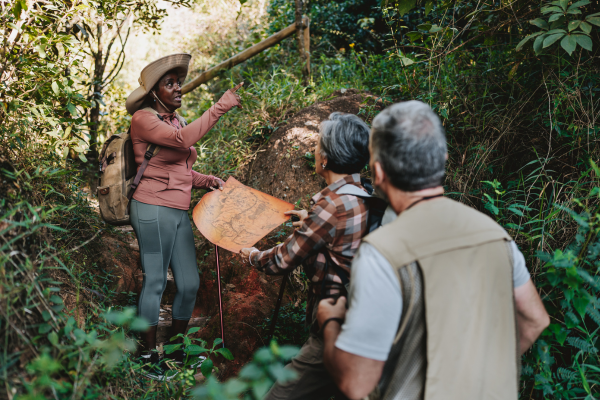
Guided hunts are designed to provide structure, safety, and local expertise. When hunting with a professional outfitter like Go Hawaii Outfitters, hunters benefit from experienced guides who understand the terrain, animal behavior, and legal requirements specific to each island.

Most guided hunts include:

  • Pre-hunt safety briefings
  • Local knowledge of game movement and terrain
  • Assistance with tracking, spotting, and recovery
  • Guidance on ethical and legal hunting practices

For beginners, this guidance helps reduce uncertainty and allows hunters to focus on learning and enjoying the experience.

Understanding Hawaii’s Terrain and Conditions

Hawaiʻi’s environment can be challenging, even for experienced hunters. Conditions may include:

  • Steep slopes and uneven volcanic terrain
  • Dense vegetation and limited visibility
  • Sudden weather changes
  • Humid or wet conditions

Being physically prepared and mentally aware of these factors is essential. Guided hunts are planned with safety in mind, but personal readiness plays a major role.

What to Bring on Your First Guided Hunt

While outfitters often provide key equipment, hunters are typically responsible for personal gear. Common essentials include:

  • Appropriate hunting footwear with strong traction
  • Weather-appropriate clothing and layers
  • Sun protection and rain gear
  • Personal water supply and snacks
  • Required licenses and permits
  • Any personal hunting equipment approved by the outfitter

Your outfitter will provide a detailed gear list before the hunt—review it carefully and ask questions if anything is unclear.

Firearms, Archery, and Equipment Guidelines

Each guided hunt has specific rules regarding firearms, archery equipment, and safety protocols. Hunters should:

  • Confirm equipment requirements in advance
  • Follow all safety instructions provided by the guide
  • Transport and handle weapons responsibly

New hunters should not hesitate to ask for instruction—guided hunts are designed to be educational as well as safe.

Preparing Physically and Mentally

Hunting in Hawaiʻi can be physically demanding. Preparing ahead of time by improving endurance, mobility, and hydration habits can significantly enhance your experience.

Equally important is mindset. Patience, adaptability, and respect for the process are essential. Not every hunt results in a harvest, but every hunt offers valuable experience.

Safety and Responsibility in the Field

Safety is the top priority on any guided hunt. Hunters are expected to:

  • Follow all guide instructions
  • Maintain awareness of surroundings and other hunters
  • Respect wildlife and the land
  • Practice ethical hunting standards

Responsible preparation ensures a positive experience for everyone involved.

A Welcoming Experience for New Hunters

Guided hunts make hunting in Hawaiʻi more accessible to beginners by removing guesswork and providing expert support. For visiting hunters, they offer insight into local customs, regulations, and conservation practices.

At Go Hawaii Outfitters, the goal is to create a safe, educational, and memorable experience that respects the land and supports responsible hunting.

Your first guided hunt in Hawaiʻi is an opportunity to learn, challenge yourself, and connect with the outdoors in a meaningful way. Proper preparation not only improves your chances of success—it ensures safety, respect, and enjoyment for all.

The Ultimate Guide to Hunting in Hawaii: Licenses, Seasons & Rules You Must Know

Hunting in Hawaiʻi offers a unique experience unlike anywhere else in the world. From axis deer to feral pigs and game birds, the islands provide diverse opportunities across varied terrain. However, hunting in Hawaiʻi also comes with specific legal requirements that differ by island, species, and season.

Understanding these rules is essential—not only to stay compliant with the law, but to ensure ethical hunting practices that protect the ʻāina (land), wildlife, and local communities.

This guide breaks down the essentials every hunter should know before heading into the field.


Who Regulates Hunting in Hawaii?

Hunting in Hawaiʻi is regulated by the Department of Land and Natural Resources (DLNR) through its Division of Forestry and Wildlife (DOFAW). DLNR is responsible for setting hunting seasons, issuing licenses, managing public hunting areas, and maintaining conservation balance across the islands.

Rules and availability can change annually, making it critical for hunters to rely on official, up-to-date sources.


Hunting Licenses: What You Need Before You Hunt

All hunters in Hawaiʻi must possess a valid Hawaiʻi hunting license before participating in any hunt on public land.

Licenses are available to:

  • Hawaiʻi residents
  • Non-residents and visiting hunters

License types and fees vary depending on residency status and duration. Hunters must carry their license at all times while hunting.


Permits and Tags: Species and Area Matter

In addition to a hunting license, many hunts require permits or tags, which are issued based on:

  • The island you are hunting on
  • The specific game species
  • The hunting unit or public hunting area

Some hunts are available through draw lotteries, while others may be offered as open-access hunts. Permits are typically limited to control harvest levels and protect wildlife populations.


Understanding Hunting Seasons in Hawaii

Unlike many mainland states, hunting seasons in Hawaiʻi can vary significantly by island and species. Seasons are set annually by DLNR and are designed to support responsible wildlife management.

Hunters must verify:

  • Open and closed seasons
  • Legal hunting days and times
  • Species-specific regulations

Hunting outside of designated seasons or areas is a serious violation and may result in fines, license suspension, or criminal penalties.


Hunter Education Requirements

Hawaiʻi requires hunters born after a certain date to complete a hunter education course approved by the state. This course covers:

  • Firearm safety
  • Hunting ethics
  • Conservation principles
  • Legal responsibilities

Proof of completion may be required when applying for licenses or permits, especially for first-time hunters.


The Go Hunt Hawaii System

The DLNR Go Hunt Hawaii system is the official online portal for:

  • Purchasing hunting licenses
  • Applying for permits and lottery hunts
  • Viewing season dates and regulations
  • Accessing public hunting area information

This system is the most reliable source for current hunting rules and is strongly recommended for all hunters—local and visiting alike.


Ethical and Legal Hunting Practices

Legal compliance goes hand-in-hand with ethical responsibility. Hunters in Hawaiʻi are expected to:

  • Respect private property and public land boundaries
  • Follow bag limits and species restrictions
  • Practice humane harvesting methods
  • Leave hunting areas clean and undisturbed

Ethical hunting helps preserve access to hunting opportunities and supports long-term conservation efforts across the islands.


A Resource for Residents and Visiting Hunters

Whether you are a lifelong local hunter or planning your first Hawaiian hunt, understanding the legal landscape is essential. Regulations are in place to protect Hawaiʻi’s ecosystems, ensure public safety, and maintain sustainable wildlife populations.

Staying informed empowers hunters to enjoy the experience responsibly while honoring the land and traditions of Hawaiʻi.


Hunting laws and seasons can change. Always verify current requirements through the Department of Land and Natural Resources and the Go Hunt Hawaii system before heading into the field.

Responsible hunters protect the future of hunting in Hawaiʻi.

Beginner’s Guide to Guided Hunts in Hawaiʻi: What to Expect

If you’re new to hunting—or just new to hunting in Hawaiʻi—your first guided hunt can feel both exciting and a little intimidating. But don’t worry—guided hunts are designed to be safe, informative, and unforgettable, especially when you’re in the hands of experienced local professionals like the team at Hunting Outfitters Hawaiʻi.

In this guide, we’ll walk you through everything you need to know before your boots hit the ground. From what gear is provided to how animal tracking works in Hawaiʻi’s unique terrain, we’ve got you covered.

Why Choose a Guided Hunt?

Hawaiʻi isn’t just about beaches and luaus—it’s also home to diverse wildlife, including Axis deer, wild boar, mouflon sheep, and more. But navigating the terrain, understanding animal behavior, and staying safe while doing it takes local knowledge and experience.

That’s where a guided hunt comes in. With our expert team, you get:

  • Access to exclusive hunting grounds
  • Insightful local guidance
  • All necessary permits handled
  • A focus on ethical, sustainable hunting practices

What’s Included in a Guided Hunt?

Here’s what you can expect when you book a hunt with us:

🥾 Gear & Equipment

Don’t worry about buying top-of-the-line gear on day one. Most of our guided packages include:

  • Firearms or bows (or bring your own)
  • Optics and scopes
  • Field dressing tools
  • Safety gear and communication equipment

We’ll give you a full gear checklist before your hunt—so you know exactly what’s covered and what you might want to bring (like hiking boots, layers, and sun protection).

🗺️ Location Scouting

One of the best parts of going guided? You don’t have to do the scouting. Our team pre-scouts the area so we know where the game is moving and when. We use a mix of traditional tracking, GPS, and game cameras to give you the best chance of success—while also respecting the animals and environment.

🐾 Tracking and Hunting Techniques

Our guides will walk you through:

  • How to recognize tracks and game trails
  • How to move quietly and approach game with care
  • The best vantage points and shooting techniques
  • How to judge animal age, size, and ethical shot placement

Whether you’re hunting with a bow or rifle, our team adapts the experience to your skill level.

Safety First, Always

We take safety very seriously. Before the hunt, you’ll go through a thorough safety briefing that covers:

  • Terrain awareness
  • Firearm/bow handling
  • Emergency protocols
  • Hydration and first-aid practices

You’ll never be left on your own—our guides are with you every step of the way to make sure your hunt is both thrilling and secure.

What Makes Hawaiʻi Hunting Unique

Hawaiʻi’s hunting landscape is incredibly diverse. One day you could be in lush forests and highland ranges, and the next on rolling grasslands overlooking the Pacific Ocean. Our hunting areas are on private lands, which means:

  • No crowds
  • Ample game
  • Breathtaking backdrops

And because Hawaiʻi’s game species are non-native, your hunt contributes to ecological balance and habitat restoration—making it an experience you can feel good about.

Tips for First-Time Hunters

  • Stay hydrated. The tropical climate can sneak up on you.
  • Listen to your guide. They’ve likely tracked this area for years.
  • Be patient. Sometimes the best moments in the wild are the quiet ones.
  • Ask questions. We’re here to teach, not just to lead.

Ready for Your First Hunt?

At Hunting Outfitters Hawaiʻi, we’re passionate about creating memorable, safe, and successful hunting adventures for hunters of all levels. Whether you’re a total beginner or just new to the islands, we’ll take care of the details so you can focus on the experience.

Book your hunt today and discover what it means to explore Hawaiʻi’s wild side—guided by professionals who love what they do.

Hunting Safety in Hawaiʻi: What Our Guides Do to Keep You Protected

For many, a guided hunt in Hawaiʻi is the adventure of a lifetime—stunning terrain, unique species, and memories made in the wild. But whether you’re a seasoned hunter or first-timer, one thing matters above all: safety.

At Hunting Outfitters Hawaiʻi, your well-being is our top priority. We understand that hunting in remote and rugged environments comes with challenges, which is why we’ve developed comprehensive safety protocols to ensure every hunt is as secure as it is exciting.

Here’s how we protect our clients—before, during, and after every hunt.

1. Professional, Trained Guides

Our guides aren’t just local experts—they’re also highly trained in safety, survival, and emergency response. Each guide is:

  • Certified in First Aid and CPR
  • Experienced in backcountry navigation and wildlife behavior
  • Trained in firearm safety and handling
  • Familiar with terrain-specific risks across each island

We conduct regular training sessions to keep our guides up to date on best practices, new equipment, and evolving environmental conditions in Hawaiʻi.

2. Pre-Hunt Safety Briefings

Before every hunt begins, we lead a detailed safety briefing. This includes:

  • A review of firearm safety rules
  • An overview of local terrain and weather expectations
  • Clear communication on hand signals, group movement, and boundaries
  • Instructions on how to interact with local wildlife responsibly

We also review the emergency protocols and ensure every participant knows how to signal for help and where the guide carries communication devices.

3. Emergency Preparedness in the Field

Our guides carry field-tested safety gear and communication equipment for unexpected emergencies, including:

  • First aid kits with supplies for cuts, sprains, bites, and allergic reactions
  • Satellite phones or GPS trackers for areas with no cellular coverage
  • Emergency shelter and extra water supplies
  • Evacuation plans tailored to each hunting location

In Hawaiʻi’s remote hunting zones—especially off-grid areas of Maui, Molokaʻi, or Big Island—these precautions are essential for rapid and effective response.

4. Gear Checks and Equipment Support

Not sure if your gear is up to par? We’ve got you covered.

Before heading into the field, we inspect all gear for:

  • Proper firearm function and sight alignment
  • Footwear suited to rugged terrain and elevation
  • Hydration packs, weather-appropriate clothing, and sun protection
  • Optics, knives, and other tools to ensure safety and ethical practices

For new hunters or traveling visitors, we also offer rental gear and equipment guidance, so you’re fully prepared from the moment you arrive.

5. Environmental Awareness

Hawaiʻi’s ecosystems are breathtaking—but they can also be unpredictable. Our team stays informed about:

  • Weather alerts and seasonal hazards like flash floods or wildfire risks
  • Slippery slopes, lava rock, and unstable terrain
  • Animal behavior patterns, especially during rutting or nesting seasons

We adjust routes, schedules, and safety plans as needed to ensure safe access to game and minimal disruption to local habitats.

6. Respectful, Low-Impact Hunting

We emphasize ethical and sustainable hunting, which not only benefits the environment but enhances safety as well. By tracking carefully, moving with purpose, and practicing patience, we reduce risks of accidents, misfires, or startling other wildlife.

7. Post-Hunt Check-Ins

Once your hunt ends, our job isn’t over. We debrief with each client to:

  • Review any minor injuries or gear issues
  • Ensure you’re rehydrated and properly cooled down after a hike
  • Offer transport back to your lodging or meeting point
  • Share tips on meat handling, trophy care, or preserving your harvest

Adventure, Safety, and Aloha

At Hunting Outfitters Hawaiʻi, we believe that hunting should be empowering, respectful, and most of all—safe. Whether you’re bow hunting for Axis deer or pursuing wild boar with a rifle, our team is there every step of the way with expertise, vigilance, and aloha.

Ready to book your guided hunt in Hawaiʻi? Join us for a responsible, unforgettable experience led by the islands’ most trusted hunting professionals.

Visit https://www.huntingoutfittershawaii.com to learn more or schedule your next adventure.

Combining Vacation and Hunting: How to Plan the Ultimate Outdoor Trip in Hawaiʻi

When most people think of a Hawaiian vacation, they imagine sandy beaches, volcano hikes, and fresh pineapple by the ocean. But for outdoor enthusiasts, Hawaiʻi offers something truly unique: the chance to combine a world-class vacation with a one-of-a-kind guided hunting experience.

At Hunting Outfitters Hawaiʻi, we believe your hunting trip doesn’t have to be all boots and blinds—it can also include luxury lodging, eco-adventures, deep-sea fishing, and cultural sightseeing. Here’s how to plan the ultimate outdoor escape that blends the thrill of the hunt with the beauty and relaxation of a Hawaiian vacation.

Why Choose Hawaiʻi for Your Hunting Getaway?

Unlike anywhere else in the U.S., Hawaiʻi’s landscapes and wildlife create a hunting experience like no other. Our islands offer:

  • Year-round hunting seasons
  • Access to exotic game like Axis deer, mouflon sheep, wild boar, and feral goats
  • Breathtaking backdrops of volcanic peaks, rainforests, and open plains
  • Friendly, experienced guides who honor traditional Hawaiian land stewardship

And when the day’s hunt is done, the islands welcome you with everything from five-star beach resorts to cozy eco-lodges deep in nature.

What to Expect from a Guided Hunt

A guided hunt with us includes everything you need to stay safe, legal, and successful:

  • Transportation to hunting zones
  • Safety briefings and licensed guide support
  • Gear rental and equipment checks
  • Field dressing and trophy assistance
  • Customized hunts for bow, rifle, or crossbow

Whether you’re a beginner or seasoned hunter, we tailor the experience to match your comfort level and vacation schedule.

Luxury Meets Wilderness: Lodging Options

You don’t have to rough it unless you want to. Our clients enjoy a range of lodging options across the islands:

🏨 Luxury Resorts & Villas

Stay in oceanfront suites or private bungalows near your hunting zone. Perfect for couples or families who want to enjoy spa services, pools, and upscale dining after a day outdoors.

🌿 Eco-Lodges & Off-Grid Cabins

Immerse yourself in Hawaiʻi’s wild side. These rustic-yet-comfortable stays are ideal for nature lovers seeking solitude, stargazing, and the sounds of native wildlife.

🛖 Local Bed & Breakfasts

Get a taste of authentic aloha hospitality and local insights while staying in charming homes near hunting sites.

Make It a Full Adventure: What Else to Do

Hunting is just the beginning. Turn your trip into a full Hawaiian adventure by adding:

  • 🎣 Deep-Sea Fishing: Charter a day out for mahi-mahi, ahi, or marlin.
  • 🌋 Volcano Tours: Explore the Big Island’s Hawaiʻi Volcanoes National Park.
  • 🧗🏽‍♂️ Hiking & Waterfalls: Trek into lush valleys and hidden cascades.
  • 🌊 Snorkeling & Surfing: Spend your rest days exploring vibrant reefs.
  • 🌺 Cultural Experiences: Attend a luau, visit historic sites, or take a hula lesson.

We’re happy to connect you with trusted tour partners to help round out your itinerary.

Tips for Planning Your Trip

To get the most out of your combined hunting and vacation experience:

  1. Book Early: Popular hunting seasons and lodging options fill up quickly.
  2. Get Licensed: We’ll help you navigate Hawaiʻi’s hunting license process.
  3. Pack Right: We provide gear checklists, or offer rental options.
  4. Bring the Family: Many of our clients bring spouses or kids—non-hunters can enjoy nearby attractions while you’re in the field.

Your Dream Outdoor Getaway Awaits

A hunting trip to Hawaiʻi doesn’t mean sacrificing comfort, fun, or time with loved ones. It means saying yes to adventure—and experiencing the islands in a way few travelers ever do.

At Hunting Outfitters Hawaiʻi, we help you create a seamless blend of excitement and relaxation. From the hunt to the hammock, every moment is guided by safety, sustainability, and the spirit of aloha.

Ready to start planning your unforgettable trip? Visit https://www.huntingoutfittershawaii.com to learn more and schedule your next adventure.

Why Ethical and Sustainable Hunting Matters in Hawaiʻi

Hawaiʻi is a land of rare beauty—home to native forests, unique wildlife, and delicate ecosystems found nowhere else on Earth. But with that beauty comes responsibility. As hunters and conservationists, we at Hunting Outfitters Hawaiʻibelieve that preserving these lands is just as important as enjoying them. That’s why ethical and sustainable huntingisn’t just part of our mission—it’s at the heart of everything we do.

If you’re considering a guided hunt in the islands, here’s why your participation matters and how responsible hunting supports Hawaiʻi’s natural balance.

 The Problem with Invasive Species in Hawaiʻi

Many of Hawaiʻi’s big game species—such as Axis deer, mouflon sheep, and feral pigs—were introduced to the islands centuries ago. While they’ve created exciting hunting opportunities, they’ve also had serious impacts on native ecosystems.

Invasive species often:

  • Overgraze vegetation, leading to erosion and loss of native plants
  • Destroy nesting habitats for endangered birds
  • Compete with native wildlife for food and territory
  • Damage watersheds, affecting freshwater sources and coral reefs

Unlike mainland ecosystems, Hawaiʻi doesn’t have natural predators for these animals. That’s where ethical huntingcomes in—it’s not just recreation, it’s restoration.

 How Guided Hunts Support Conservation

When done responsibly, hunting helps manage wildlife populations and protect natural resources. At Hunting Outfitters Hawaiʻi, we work in cooperation with landowners, conservationists, and local communities to ensure every hunt contributes to ecological health.

✔️ Population Control

Unchecked populations of Axis deer and feral animals can double in just a few years. Guided hunts help reduce herd sizes, relieving pressure on fragile environments like native forests, wetlands, and upland slopes.

✔️ Habitat Preservation

Our team carefully selects hunting areas where overpopulation is causing damage. By removing select animals, we help preserve:

  • Native plants and ground cover
  • Endangered bird habitats
  • Watersheds and water quality

✔️ Data and Monitoring

We don’t just take—we also give back data. Our hunts contribute to population tracking and land management insights that help conservation groups make informed decisions.

 Our Commitment to Ethical Hunting

Ethical hunting isn’t just about following the law—it’s about respecting the land, the animals, and the culture of Hawaiʻi.

Here’s how we put that into practice:

 Expert Guides & Safety

Our guides are trained not only in tracking and fieldcraft but also in respectful land use and firearm safety. We prioritize clean, humane harvests and never take more than the land can support.

🤝 Cultural Awareness

We honor the cultural importance of hunting in Hawaiʻi’s rural communities, where it is often a source of food, tradition, and stewardship. Many of our clients are local families who understand the importance of mālama ‘āina—caring for the land.

 Field-to-Table Values

We encourage all our guests to use the meat they harvest, whether for personal consumption or local donation. Axis venison, for example, is lean, flavorful, and highly valued by chefs and families alike.

🌎 You’re Part of the Solution

When you book a guided hunt with us, you’re not just taking part in an outdoor adventure—you’re helping protect one of the most biodiverse places on the planet. You’re contributing to:

  • Reduced erosion and deforestation
  • Stronger native species recovery
  • More sustainable landscapes for future generations

In short, you’re hunting with a purpose.

📍 Book a Responsible Hunt Today

Whether you’re new to hunting or a seasoned sportsman, our guided trips offer more than just a successful harvest—they offer a chance to support Hawaiʻi’s ecosystems, learn about conservation in action, and experience the islands in a meaningful, respectful way.

Join us at Hunting Outfitters Hawaiʻi for a hunt that’s grounded in tradition, led with integrity, and fueled by a commitment to protect what makes these islands so special.

👉 Contact us today to book your ethical hunting adventure.

Axis Deer in Hawaiʻi: History, Behavior, and Best Seasons to Hunt

The Hawaiian Islands are known for their breathtaking beaches and rich culture—but for hunters, they’re also home to one of the most prized big game species: Axis deer. Fast, graceful, and challenging to hunt, Axis deer (also called chital) have become one of Hawaiʻi’s most sought-after game animals.

At Hunting Outfitters Hawaiʻi, we offer expertly guided Axis deer hunts that combine thrilling pursuit with ecological stewardship. Whether you’re a seasoned hunter or new to the sport, understanding the history, habits, and seasons of Axis deer in Hawaiʻi will help you plan an unforgettable hunt.

How Did Axis Deer Get to Hawaiʻi?

Axis deer (Axis axis) are not native to the islands. They were first introduced to Hawaiʻi in 1868, when a gift of eight deer was sent from India to King Kamehameha V. Originally released on Molokaʻi, they were later introduced to other islands, including Maui and Lānaʻi, where their populations have since exploded due to the lack of natural predators.

Today, Axis deer are both a popular game species and an ecological challenge. Their large numbers contribute to overgrazing, erosion, and damage to native ecosystems. That’s why responsible hunting plays such an important role in helping manage their impact.

Behavior of Axis Deer

To hunt Axis deer effectively, it helps to understand their behavior:

🦌 Herd Animals with Keen Senses

Axis deer typically move in herds—especially females and young. Bucks may travel solo or in small bachelor groups. They have sharp eyesight, a strong sense of smell, and quick reflexes, which means hunters must be stealthy and strategic.

🌿 Grazing and Movement Patterns

These deer are crepuscular, meaning they’re most active at dawn and dusk. During the day, they rest in shaded areas, making spotting and stalking an ideal technique for experienced hunters.

They tend to favor:

  • Open grasslands near water sources
  • Forest edges
  • Rolling hillsides with tall cover for hiding

🔊 Vocal and Alert

Axis deer are vocal animals. The does often call to their fawns with high-pitched sounds, and bucks may bellow during rutting season. One deer’s alarm call can send an entire herd running—so patience and timing are key.

When Is the Best Time to Hunt Axis Deer in Hawaiʻi?

One of the unique advantages of hunting in Hawaiʻi is that Axis deer breed year-round—so there’s no strict “off-season.” However, the best months for hunting tend to be:

🗓️ June to October – Prime Rutting Season

This is when bucks are most active and vocal. You’ll find mature males displaying territorial behavior, making them easier to locate. The rutting season also allows for:

  • More predictable movement patterns
  • Opportunity to call in dominant bucks
  • Higher success rates for trophy-quality harvests

 Winter Months – Cooler, Clear Conditions

From December through February, the weather tends to be drier and cooler, making for more comfortable hiking and better visibility in open terrain. Game is still abundant, and deer are less cautious during feeding.

Why Hunt Axis Deer in Hawaiʻi?

Besides the excitement of the hunt, Axis deer offer several benefits:

  • Excellent table fare – Axis venison is lean, tender, and considered one of the best-tasting wild meats.
  • Ethical harvest – With no native predators, hunting helps manage overpopulation.
  • Year-round opportunity – No long wait for hunting season to open.
  • Unmatched views – You’ll experience sweeping ocean vistas, mountain ridgelines, and rugged island landscapes few others ever see.

Tips for a Successful Hunt

Whether you’re hunting on Maui, Molokaʻi, or Lānaʻi, here are a few field-tested tips:

Go guided. Our local guides know the land, the game, and the best vantage points.

Stay quiet and glass often. Axis deer are quick to detect movement and sound.

Dress for terrain and weather. Think light camo, breathable fabrics, and sturdy hiking boots.

Bring quality optics. Spotting from a distance is often essential to success.

Respect the land. We hunt ethically and always follow sustainable practices to preserve Hawaiʻi’s beauty.

Let’s Plan Your Axis Deer Hunt

At Hunting Outfitters Hawaiʻi, we specialize in custom, guided Axis deer hunts designed around your goals, comfort, and experience level. Whether you’re chasing your first harvest or a trophy buck, we’ll help you create a safe, successful, and unforgettable experience.

Contact us today to book your hunt and discover why Axis deer in Hawaiʻi offer one of the most exciting big game pursuits in the Pacific.

Getting Your Hawaiʻi Hunting License: What Hunters Should Know

Featuring Hard Horn/Rut Season: May–July

Hawaiʻi may be famous for its beaches and tropical views, but it’s also home to one of the most thrilling hunting experiences in the Pacific. If you’re planning to hunt game like Axis deer or mouflon sheep, the first and most essential step is understanding how to legally hunt in the islands: securing your Hawaiʻi hunting license.

Whether you’re a first-time visitor or a seasoned hunter returning to the islands, here’s what you need to know to prepare for the hunt—especially during the highly anticipated Hard Horn/Rut Season from May to July.

Why a Hunting License Is Required in Hawaiʻi

The hunting license isn’t just a formality—it’s a crucial part of Hawaiʻi’s wildlife management efforts. The state uses this system to:

  • Promote safe, ethical, and sustainable hunting practices
  • Ensure fair access to hunting grounds
  • Fund conservation and habitat restoration
  • Preserve the balance of local ecosystems affected by invasive species

Licensing helps Hawaiʻi manage game populations like Axis deer, which have no natural predators and can impact native plant life if left unchecked.

How to Qualify for a Hawaiʻi Hunting License

Before stepping onto the hunting grounds, every hunter—resident or non-resident—must meet licensing requirements. These include:

Hunter Education Certification

If you were born after January 1, 1972, you’ll need to provide proof of completing a certified hunter education course. Courses from other U.S. states are generally accepted.

Application Process

You can apply through the Hawaiʻi Department of Land and Natural Resources (DLNR) or an authorized vendor. The process typically includes:

  • Submitting proof of hunter education
  • Paying applicable fees
  • Receiving an annual license valid from July 1 through June 30 of the following year

For non-residents, be sure to apply early, especially if you’re planning a guided hunt during the peak rut season.

Hunting During Hard Horn/Rut Season (May–July)

One of the most exciting times to hunt in Hawaiʻi is during Hard Horn Season, also known as rut season, from May through July.

Why It Matters:

  • Axis deer stags are actively competing for mates, making them more visible and vocal.
  • Antlers are fully hardened, providing a great opportunity for trophy hunts.
  • Increased activity means a higher likelihood of successful tracking and harvest.

It’s a peak time for hunters who want to challenge themselves and experience the raw intensity of nature on the islands.

What You Can Hunt with a License

Depending on the island and season, your license may allow you to hunt:

  • Axis Deer
  • Mouflon Sheep
  • Feral Goats and Pigs
  • Blacktail Deer
  • Game Birds and Wild Turkey

Each species and island may have specific regulations, tags, or permits, so reviewing DLNR rules or working with a licensed guide is highly recommended.

Why Go Guided?

Booking a guided hunt isn’t just about convenience—it’s about maximizing your experience and safety. At Hunting Outfitters Hawaiʻi, licensed guides assist with:

  • Navigating terrain safely
  • Scouting and tracking game efficiently
  • Field dressing and trophy preparation
  • Ensuring compliance with all legal requirements

Guides are trained in emergency response and environmental awareness, ensuring that every hunt is conducted with professionalism and care.

Plan Early for a Seamless Experience

Planning a hunting trip in Hawaiʻi requires coordination—especially during busy seasons. Here’s how to prepare:

  • Secure your hunting license well in advance
  • Review DLNR regulations for the specific island you plan to hunt
  • Coordinate lodging and travel if visiting from out of state
  • Consult with a local guide for the best locations and techniques

Hard Horn Season is one of the best times to be in the field—don’t miss the chance to experience hunting in one of the world’s most unique and ecologically rich settings.

For more information on guided hunts, seasonal strategies, and conservation-driven hunting practices, visit Hunting Outfitters Hawaiʻi. Your next great hunting story starts here—in the heart of the Pacific.