
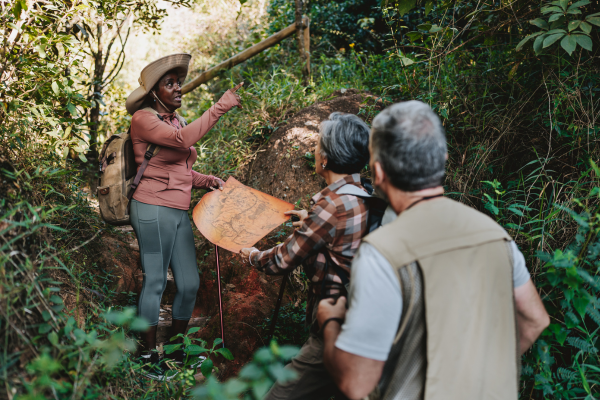
A guided hunt in Hawaiʻi is an unforgettable experience. From rugged mountain terrain to dense forests and open plains, the islands offer hunting conditions unlike anywhere else. For first-time hunters—or visitors unfamiliar with Hawaiʻi’s landscape—proper preparation is key to a safe, successful, and enjoyable hunt.
This guide outlines what to expect on your first guided hunt and how to prepare with confidence.
What to Expect on a Guided Hunt in Hawaii
Guided hunts are designed to provide structure, safety, and local expertise. When hunting with a professional outfitter like Go Hawaii Outfitters, hunters benefit from experienced guides who understand the terrain, animal behavior, and legal requirements specific to each island.
Most guided hunts include:
- Pre-hunt safety briefings
- Local knowledge of game movement and terrain
- Assistance with tracking, spotting, and recovery
- Guidance on ethical and legal hunting practices
For beginners, this guidance helps reduce uncertainty and allows hunters to focus on learning and enjoying the experience.
Understanding Hawaii’s Terrain and Conditions
Hawaiʻi’s environment can be challenging, even for experienced hunters. Conditions may include:
- Steep slopes and uneven volcanic terrain
- Dense vegetation and limited visibility
- Sudden weather changes
- Humid or wet conditions
Being physically prepared and mentally aware of these factors is essential. Guided hunts are planned with safety in mind, but personal readiness plays a major role.
What to Bring on Your First Guided Hunt
While outfitters often provide key equipment, hunters are typically responsible for personal gear. Common essentials include:
- Appropriate hunting footwear with strong traction
- Weather-appropriate clothing and layers
- Sun protection and rain gear
- Personal water supply and snacks
- Required licenses and permits
- Any personal hunting equipment approved by the outfitter
Your outfitter will provide a detailed gear list before the hunt—review it carefully and ask questions if anything is unclear.
Firearms, Archery, and Equipment Guidelines
Each guided hunt has specific rules regarding firearms, archery equipment, and safety protocols. Hunters should:
- Confirm equipment requirements in advance
- Follow all safety instructions provided by the guide
- Transport and handle weapons responsibly
New hunters should not hesitate to ask for instruction—guided hunts are designed to be educational as well as safe.
Preparing Physically and Mentally
Hunting in Hawaiʻi can be physically demanding. Preparing ahead of time by improving endurance, mobility, and hydration habits can significantly enhance your experience.
Equally important is mindset. Patience, adaptability, and respect for the process are essential. Not every hunt results in a harvest, but every hunt offers valuable experience.
Safety and Responsibility in the Field
Safety is the top priority on any guided hunt. Hunters are expected to:
- Follow all guide instructions
- Maintain awareness of surroundings and other hunters
- Respect wildlife and the land
- Practice ethical hunting standards
Responsible preparation ensures a positive experience for everyone involved.
A Welcoming Experience for New Hunters
Guided hunts make hunting in Hawaiʻi more accessible to beginners by removing guesswork and providing expert support. For visiting hunters, they offer insight into local customs, regulations, and conservation practices.
At Go Hawaii Outfitters, the goal is to create a safe, educational, and memorable experience that respects the land and supports responsible hunting.
Your first guided hunt in Hawaiʻi is an opportunity to learn, challenge yourself, and connect with the outdoors in a meaningful way. Proper preparation not only improves your chances of success—it ensures safety, respect, and enjoyment for all.