Essential Gear for Hunting in Hawaiʻi’s Diverse Landscapes

Hunting in Hawaiʻi offers a truly unique experience, combining world-class game species with landscapes unlike anywhere else in the world. From rugged volcanic slopes and high-elevation terrain to dense forests and open ranchlands, Hawaiʻi’s environment demands thoughtful preparation and the right equipment. Having the proper gear not only improves success in the field but also ensures safety, comfort, and ethical hunting practices.

This guide outlines essential hunting gear tailored to Hawaiʻi’s varied conditions and provides practical recommendations to help hunters prepare for a successful outing.

Understanding Hawaiʻi’s Hunting Environments

Unlike mainland hunts, Hawaiʻi often requires navigating multiple terrain types in a single trip. Hunters may encounter sharp lava rock, steep inclines, thick vegetation, open grasslands, and unpredictable weather. Lightweight, durable, and versatile gear is essential to adapt to these changing conditions.

Footwear: The Foundation of Your Gear

Proper footwear is one of the most important investments for hunting in Hawaiʻi.

Recommended Features:

  • Sturdy boots with aggressive tread for traction on lava rock
  • Ankle support for steep and uneven terrain
  • Breathable materials for warm conditions
  • Waterproof or water-resistant construction for wet environments

Comfort and durability are critical, as poor footwear can quickly turn a hunt into a safety risk.

Clothing and Camouflage for Hawaiian Conditions

Camouflage and clothing should match Hawaiʻi’s natural environment and climate.

Key Clothing Considerations:

  • Lightweight, breathable fabrics to manage heat and humidity
  • Neutral earth tones or island-appropriate camouflage patterns
  • Quick-dry materials for sudden rain or creek crossings
  • Layering options for changing elevations and temperatures

While heavy insulation is rarely needed, wind-resistant and moisture-wicking layers provide flexibility across conditions.

Optics: Spotting Game Across Varied Terrain

Quality optics are essential, especially in open areas where spotting game from a distance is key.

Essential Optics Include:

  • Binoculars with moderate magnification for scanning open terrain
  • Compact and lightweight designs for extended use
  • Clear lenses suitable for bright daylight conditions

Spot-and-stalk hunting, common in Hawaiʻi, relies heavily on effective glassing to identify animals before making a move.

Hydration and Pack Essentials

Hawaiʻi’s warm climate and rugged terrain make hydration a top priority.

Hydration Must-Haves:

  • Hydration packs or water bottles with sufficient capacity
  • Electrolyte supplements to prevent dehydration
  • Lightweight, durable packs that allow freedom of movement

Backpacks should be compact yet large enough to carry essentials without adding unnecessary weight.

Weapon Considerations: Rifle vs. Archery

The choice between rifle and archery often depends on the species being hunted and the terrain.

Axis Deer:

  • Often found in open terrain
  • Suitable for both rifle and archery
  • Long-range visibility favors rifles, while archery requires precise stalking

Wild Sheep and Goats:

  • Frequently located in steep or rocky terrain
  • Rifles offer reach and accuracy at elevation
  • Archery demands exceptional patience, positioning, and terrain awareness

Regardless of weapon choice, hunters should prioritize ethical shot placement and proficiency with their equipment.

Safety Essentials You Should Never Skip

Safety gear is just as important as hunting equipment.

Critical Safety Items Include:

  • First-aid kit tailored for remote terrain
  • Navigation tools such as GPS or maps
  • Communication devices for emergencies
  • Sun protection, including hats and sunscreen

Being prepared for injuries, weather changes, or navigation challenges is essential in Hawaiʻi’s remote hunting areas.

Preparing for Weather and Environmental Changes

Hawaiʻi’s weather can change rapidly, especially at higher elevations.

Preparation Tips:

  • Carry lightweight rain gear at all times
  • Protect electronics and optics from moisture
  • Plan for strong sun exposure and temperature shifts

Flexibility and preparation help ensure comfort and safety throughout the hunt.

Hunting in Hawaiʻi’s diverse landscapes requires careful planning and well-chosen gear. By investing in the right equipment — from durable footwear and breathable clothing to optics, hydration systems, and safety tools — hunters can confidently navigate the islands’ unique terrain.

Prepared hunters not only increase their chances of success but also contribute to responsible, ethical hunting practices that respect Hawaiʻi’s land, wildlife, and environment.

Best Hunting Locations Across the Hawaiian Islands: Molokaʻi to the Big Island

Hawaiʻi offers some of the most unique hunting experiences in the world. Unlike mainland destinations, the Hawaiian Islands feature a remarkable variety of terrain, climates, and game species within relatively small geographic areas. From rugged volcanic slopes to open ranchlands and dense forests, each island presents its own challenges and opportunities for hunters.

This guide highlights some of the best hunting locations across the Hawaiian Islands, outlining terrain characteristics, common species, and practical considerations to help hunters plan a safe and successful experience.

Molokaʻi: Remote Terrain and Open Landscapes

Molokaʻi is known for its quiet, undeveloped landscapes and strong hunting traditions. The island offers expansive open areas combined with rugged hills and valleys, making it ideal for spot-and-stalk hunting.

Terrain:

  • Rolling hills and open plains
  • Steep ridgelines and dry grasslands

Common Species:

  • Axis deer
  • Wild goats
  • Wild pigs

Hunting Tips:

  • Visibility is often excellent, favoring long-range spotting
  • Wind conditions can shift quickly, affecting scent control
  • Hunters should be physically prepared for uneven terrain

Molokaʻi’s relative isolation requires careful planning, but it rewards hunters with less pressure and wide-open hunting grounds.

Hawaiʻi Island (Big Island): Diverse Terrain and Challenging Conditions

The Big Island offers the most diverse hunting environments in Hawaiʻi. Hunters may encounter volcanic rock, dense forests, high elevations, and open ranchlands — sometimes all in the same day.

Terrain:

  • Lava fields and rocky slopes
  • High-elevation forests
  • Open grasslands

Common Species:

  • Wild sheep
  • Wild goats
  • Wild pigs

Hunting Tips:

  • Sturdy footwear is essential for rocky terrain
  • Elevation changes can significantly affect weather conditions
  • Hunters should plan for cooler temperatures at higher elevations

The Big Island’s size and variety make it a favorite for experienced hunters seeking a physically demanding and rewarding challenge.

Maui: Steep Slopes and Varied Vegetation

Maui offers dramatic landscapes with steep terrain, dense vegetation, and changing weather patterns. Hunting here often requires adaptability and physical endurance.

Terrain:

  • Mountain slopes and ridgelines
  • Forested areas and open fields

Common Species:

  • Axis deer
  • Wild pigs
  • Wild goats

Hunting Tips:

  • Early mornings provide the best movement opportunities
  • Terrain often favors spot-and-stalk techniques
  • Weather can change quickly, especially in higher elevations

Maui’s combination of beauty and challenge makes it an exciting destination for hunters seeking both skill and strategy.

Kauaʻi: Dense Vegetation and Wet Conditions

Kauaʻi’s lush environment creates a very different hunting experience compared to drier islands. Dense foliage and frequent rainfall demand patience and careful movement.

Terrain:

  • Thick forests and vegetation
  • Wet and muddy ground

Common Species:

  • Wild pigs
  • Wild goats

Hunting Tips:

  • Quiet movement is essential due to limited visibility
  • Waterproof gear is highly recommended
  • Tracking skills are especially valuable in dense terrain

Hunters on Kauaʻi must adjust their approach, relying more on close-range techniques and awareness of surroundings.

Understanding Access, Weather, and Strategy

Across all islands, access and conditions vary significantly. Hunters should always:

  • Confirm land access permissions before hunting
  • Prepare for rapidly changing weather conditions
  • Adjust hunting strategies based on terrain visibility and elevation
  • Prioritize safety and situational awareness

Hawaiʻi’s environment demands respect, preparation, and adaptability from every hunter.

Hunting across the Hawaiian Islands offers unmatched diversity in terrain, species, and experience. Whether navigating Molokaʻi’s open plains, the Big Island’s volcanic landscapes, Maui’s slopes, or Kauaʻi’s dense forests, each destination presents unique challenges that reward thoughtful planning and ethical hunting practices.

By understanding the land, respecting local conditions, and adjusting strategies accordingly, hunters can enjoy safe, responsible, and memorable hunting experiences throughout Hawaiʻi.

Coexisting with the Wild: Conservation, Ethics & Respectful Hunting in Hawaiʻi

Hawaiʻi’s landscapes are unlike anywhere else in the world. From rugged volcanic terrain to lush forests and open ranchlands, the islands support a delicate balance between native ecosystems and introduced wildlife. Responsible hunting plays an important role in maintaining this balance when practiced with respect, ethics, and a strong understanding of Hawaiʻi’s unique environmental and cultural context.

This guide explores how ethical hunting contributes to conservation efforts, helps manage invasive species, and supports long-term ecosystem health — while honoring the land, wildlife, and local traditions of Hawaiʻi.

The Role of Hunting in Managing Invasive Species

Many of the game animals hunted in Hawaiʻi were introduced to the islands over time and do not have natural predators. Species such as feral pigs, goats, sheep, and axis deer can cause significant damage to native vegetation, watersheds, and agricultural lands when populations grow unchecked.

Responsible hunting helps:

  • Control invasive animal populations
  • Reduce damage to native forests and watersheds
  • Protect endangered plant and animal species
  • Support agricultural sustainability

By helping manage wildlife numbers, hunters play a vital role in preventing habitat degradation and preserving Hawaiʻi’s fragile ecosystems for future generations.

Protecting Hawaiʻi’s Native Ecosystems

Hawaiʻi is home to some of the most unique plant and animal species on Earth, many of which are found nowhere else. These native species evolved in isolation and are particularly vulnerable to habitat loss and environmental imbalance.

Ethical hunting supports ecosystem protection by:

  • Limiting overgrazing that destroys native plants
  • Reducing soil erosion caused by invasive species
  • Helping maintain healthy forest regeneration
  • Supporting conservation goals established by land managers

When done responsibly, hunting becomes part of a broader conservation strategy rather than a threat to the environment.

Ethical Hunting Practices in Hawaiʻi

Ethical hunting is rooted in respect — for the animal, the land, and the community. Hunters in Hawaiʻi are expected to uphold high standards that reflect stewardship rather than exploitation.

Key ethical principles include:

  • Harvesting only what you intend to use
  • Taking clean, humane shots
  • Following all regulations and land access rules
  • Avoiding waste of meat or resources
  • Respecting property boundaries and restricted areas

Ethical hunters understand that their actions directly affect public perception, wildlife health, and the future of hunting in Hawaiʻi.

Safety Guidelines for Responsible Hunting

Safety is a fundamental responsibility of every hunter. Hawaiʻi’s terrain can be challenging, with steep slopes, dense vegetation, and changing weather conditions.

Responsible hunters prioritize:

  • Proper firearm or archery handling at all times
  • Clear identification of targets before shooting
  • Awareness of other hunters, hikers, and nearby communities
  • Appropriate gear for terrain and climate
  • Emergency preparedness and communication planning

Safe hunting practices protect not only the hunter but also fellow outdoor enthusiasts and local residents.

Respecting the Land, Culture, and Community

In Hawaiʻi, the land is deeply connected to cultural identity and tradition. Hunting responsibly means understanding that many hunting areas are culturally significant or actively managed by local communities.

Respectful hunters:

  • Follow access permissions and land-use guidelines
  • Treat the land as a shared resource, not a commodity
  • Minimize environmental impact while in the field
  • Acknowledge the cultural significance of the land

Demonstrating respect for Hawaiʻi’s culture strengthens relationships between hunters, landowners, and local communities.

How Hunters Can Contribute Positively to Conservation

Hunters are uniquely positioned to support conservation efforts beyond the hunt itself. Many contribute by:

  • Participating in wildlife management programs
  • Reporting observations that help track animal populations
  • Supporting conservation and habitat restoration initiatives
  • Educating new hunters on ethical practices
  • Volunteering with local stewardship efforts

By taking an active role in conservation, hunters help ensure that hunting remains a sustainable and respected activity in Hawaiʻi.

Coexisting with the wild in Hawaiʻi requires balance, responsibility, and respect. Ethical hunting is not simply about harvesting game — it is about stewardship, conservation, and honoring the land and life it sustains.

When hunters commit to ethical practices, safety, and cultural respect, they become partners in preserving Hawaiʻi’s ecosystems and traditions. Through responsible action and thoughtful engagement, hunting can continue to play a meaningful role in protecting Hawaiʻi’s natural heritage for generations to come.

Sustainable Hunting in Hawaii: Ethical Practices That Protect the ʻĀina

In Hawaiʻi, hunting is more than an outdoor activity—it is a responsibility. The islands’ ecosystems are unique and fragile, and sustainable hunting plays an important role in maintaining balance between wildlife, native habitats, and human communities. When practiced ethically, hunting supports conservation efforts and honors the deep connection between people and the ʻāina (land).

At Go Hawaii Outfitters, sustainability and respect guide every hunt.

What Sustainable Hunting Means in Hawaii

Sustainable hunting is the practice of harvesting wildlife in a way that maintains healthy populations and protects native ecosystems. In Hawaiʻi, this concept is especially important due to the presence of invasive species that can threaten native plants, animals, and watersheds.

Ethical hunting helps:

  • Control invasive animal populations
  • Reduce environmental damage to forests and watersheds
  • Support long-term ecological balance

Sustainability ensures that hunting remains a tool for conservation—not exploitation.

The Role of Hunting in Conservation

Many game species in Hawaiʻi, such as feral pigs and goats, are not native to the islands. When left unmanaged, these animals can cause significant damage to native vegetation and soil systems.

Regulated hunting, guided by the Department of Land and Natural Resources, is one of the most effective methods for managing these populations responsibly. Hunters contribute directly to conservation by helping protect fragile ecosystems and reduce long-term environmental harm.

How Ethical Outfitters Support the ʻĀina

Responsible outfitters play a vital role in sustainable hunting practices. At Go Hawaii Outfitters, ethical stewardship includes:

  • Strict adherence to hunting laws and seasons
  • Education on species identification and legal harvest limits
  • Promoting humane and respectful harvesting methods
  • Minimizing environmental impact during hunts

Guided hunts help ensure that hunters understand not just how to hunt—but why ethical practices matter.

Ethical Practices Every Hunter Should Follow

Ethical hunting goes beyond legal compliance. Hunters are expected to:

  • Harvest only what is legal and necessary
  • Respect private land and public access rules
  • Practice safe and humane shot placement
  • Avoid waste by properly utilizing harvested game
  • Leave hunting areas cleaner than they were found

These practices protect wildlife, preserve access to hunting areas, and strengthen the hunting community.

Respecting Native Ecosystems

Hawaiʻi’s native plants and animals exist nowhere else in the world. Ethical hunters must be mindful of sensitive habitats and avoid unnecessary disturbance. Staying on designated access routes, preventing the spread of invasive species, and following area-specific rules are essential parts of responsible hunting.

Protecting the ʻāina ensures that future generations can experience Hawaiʻi’s natural beauty and outdoor traditions.

Community Stewardship Through Education

Education is a cornerstone of sustainable hunting. By teaching hunters about ecological impact, ethical responsibility, and conservation goals, outfitters help foster a community of informed and respectful outdoorsmen and women.

Guided hunts offer an opportunity to pass down knowledge that strengthens both conservation efforts and cultural respect for the land.

A Shared Responsibility

Sustainable hunting is a shared commitment between hunters, outfitters, land managers, and the community. When practiced ethically, hunting supports environmental health, protects native ecosystems, and honors Hawaiʻi’s natural heritage.

At Go Hawaii Outfitters, every hunt is guided by the belief that protecting the ʻāina is just as important as the hunt itself.

Ethical hunting today ensures healthy ecosystems tomorrow. By choosing sustainable practices, hunters become active stewards of Hawaiʻi’s land and wildlife.

Preparing for Your First Guided Hunt in Hawaii: What to Expect & How to Get Ready

A guided hunt in Hawaiʻi is an unforgettable experience. From rugged mountain terrain to dense forests and open plains, the islands offer hunting conditions unlike anywhere else. For first-time hunters—or visitors unfamiliar with Hawaiʻi’s landscape—proper preparation is key to a safe, successful, and enjoyable hunt.

This guide outlines what to expect on your first guided hunt and how to prepare with confidence.

What to Expect on a Guided Hunt in Hawaii

Guided hunts are designed to provide structure, safety, and local expertise. When hunting with a professional outfitter like Go Hawaii Outfitters, hunters benefit from experienced guides who understand the terrain, animal behavior, and legal requirements specific to each island.

Most guided hunts include:

  • Pre-hunt safety briefings
  • Local knowledge of game movement and terrain
  • Assistance with tracking, spotting, and recovery
  • Guidance on ethical and legal hunting practices

For beginners, this guidance helps reduce uncertainty and allows hunters to focus on learning and enjoying the experience.

Understanding Hawaii’s Terrain and Conditions

Hawaiʻi’s environment can be challenging, even for experienced hunters. Conditions may include:

  • Steep slopes and uneven volcanic terrain
  • Dense vegetation and limited visibility
  • Sudden weather changes
  • Humid or wet conditions

Being physically prepared and mentally aware of these factors is essential. Guided hunts are planned with safety in mind, but personal readiness plays a major role.

What to Bring on Your First Guided Hunt

While outfitters often provide key equipment, hunters are typically responsible for personal gear. Common essentials include:

  • Appropriate hunting footwear with strong traction
  • Weather-appropriate clothing and layers
  • Sun protection and rain gear
  • Personal water supply and snacks
  • Required licenses and permits
  • Any personal hunting equipment approved by the outfitter

Your outfitter will provide a detailed gear list before the hunt—review it carefully and ask questions if anything is unclear.

Firearms, Archery, and Equipment Guidelines

Each guided hunt has specific rules regarding firearms, archery equipment, and safety protocols. Hunters should:

  • Confirm equipment requirements in advance
  • Follow all safety instructions provided by the guide
  • Transport and handle weapons responsibly

New hunters should not hesitate to ask for instruction—guided hunts are designed to be educational as well as safe.

Preparing Physically and Mentally

Hunting in Hawaiʻi can be physically demanding. Preparing ahead of time by improving endurance, mobility, and hydration habits can significantly enhance your experience.

Equally important is mindset. Patience, adaptability, and respect for the process are essential. Not every hunt results in a harvest, but every hunt offers valuable experience.

Safety and Responsibility in the Field

Safety is the top priority on any guided hunt. Hunters are expected to:

  • Follow all guide instructions
  • Maintain awareness of surroundings and other hunters
  • Respect wildlife and the land
  • Practice ethical hunting standards

Responsible preparation ensures a positive experience for everyone involved.

A Welcoming Experience for New Hunters

Guided hunts make hunting in Hawaiʻi more accessible to beginners by removing guesswork and providing expert support. For visiting hunters, they offer insight into local customs, regulations, and conservation practices.

At Go Hawaii Outfitters, the goal is to create a safe, educational, and memorable experience that respects the land and supports responsible hunting.

Your first guided hunt in Hawaiʻi is an opportunity to learn, challenge yourself, and connect with the outdoors in a meaningful way. Proper preparation not only improves your chances of success—it ensures safety, respect, and enjoyment for all.

The Ultimate Guide to Hunting in Hawaii: Licenses, Seasons & Rules You Must Know

Hunting in Hawaiʻi offers a unique experience unlike anywhere else in the world. From axis deer to feral pigs and game birds, the islands provide diverse opportunities across varied terrain. However, hunting in Hawaiʻi also comes with specific legal requirements that differ by island, species, and season.

Understanding these rules is essential—not only to stay compliant with the law, but to ensure ethical hunting practices that protect the ʻāina (land), wildlife, and local communities.

This guide breaks down the essentials every hunter should know before heading into the field.


Who Regulates Hunting in Hawaii?

Hunting in Hawaiʻi is regulated by the Department of Land and Natural Resources (DLNR) through its Division of Forestry and Wildlife (DOFAW). DLNR is responsible for setting hunting seasons, issuing licenses, managing public hunting areas, and maintaining conservation balance across the islands.

Rules and availability can change annually, making it critical for hunters to rely on official, up-to-date sources.


Hunting Licenses: What You Need Before You Hunt

All hunters in Hawaiʻi must possess a valid Hawaiʻi hunting license before participating in any hunt on public land.

Licenses are available to:

  • Hawaiʻi residents
  • Non-residents and visiting hunters

License types and fees vary depending on residency status and duration. Hunters must carry their license at all times while hunting.


Permits and Tags: Species and Area Matter

In addition to a hunting license, many hunts require permits or tags, which are issued based on:

  • The island you are hunting on
  • The specific game species
  • The hunting unit or public hunting area

Some hunts are available through draw lotteries, while others may be offered as open-access hunts. Permits are typically limited to control harvest levels and protect wildlife populations.


Understanding Hunting Seasons in Hawaii

Unlike many mainland states, hunting seasons in Hawaiʻi can vary significantly by island and species. Seasons are set annually by DLNR and are designed to support responsible wildlife management.

Hunters must verify:

  • Open and closed seasons
  • Legal hunting days and times
  • Species-specific regulations

Hunting outside of designated seasons or areas is a serious violation and may result in fines, license suspension, or criminal penalties.


Hunter Education Requirements

Hawaiʻi requires hunters born after a certain date to complete a hunter education course approved by the state. This course covers:

  • Firearm safety
  • Hunting ethics
  • Conservation principles
  • Legal responsibilities

Proof of completion may be required when applying for licenses or permits, especially for first-time hunters.


The Go Hunt Hawaii System

The DLNR Go Hunt Hawaii system is the official online portal for:

  • Purchasing hunting licenses
  • Applying for permits and lottery hunts
  • Viewing season dates and regulations
  • Accessing public hunting area information

This system is the most reliable source for current hunting rules and is strongly recommended for all hunters—local and visiting alike.


Ethical and Legal Hunting Practices

Legal compliance goes hand-in-hand with ethical responsibility. Hunters in Hawaiʻi are expected to:

  • Respect private property and public land boundaries
  • Follow bag limits and species restrictions
  • Practice humane harvesting methods
  • Leave hunting areas clean and undisturbed

Ethical hunting helps preserve access to hunting opportunities and supports long-term conservation efforts across the islands.


A Resource for Residents and Visiting Hunters

Whether you are a lifelong local hunter or planning your first Hawaiian hunt, understanding the legal landscape is essential. Regulations are in place to protect Hawaiʻi’s ecosystems, ensure public safety, and maintain sustainable wildlife populations.

Staying informed empowers hunters to enjoy the experience responsibly while honoring the land and traditions of Hawaiʻi.


Hunting laws and seasons can change. Always verify current requirements through the Department of Land and Natural Resources and the Go Hunt Hawaii system before heading into the field.

Responsible hunters protect the future of hunting in Hawaiʻi.

Sustainable Hunting Practices in Hawaii: Guardians of the Wild

Hunting Practices in Hawaii

When you picture Hawaii, your mind likely fills with images of sun-kissed beaches, turquoise waves, and vibrant hula dancers. But beyond the resorts lies a deep, complex, and breathtakingly beautiful natural world—one that is facing a silent crisis. Invasive species are ravaging native ecosystems, and in this unique battle, an unexpected group has emerged as a key guardian: the sustainable hunter.

Hunting in Hawaii isn’t about trophies; it’s about balance. It’s a practice deeply rooted in cultural history and modern conservation science, working to protect the very soul of the islands.

The Hawaiian Paradox: Why Hunting is Necessary for Conservation

Why Hunting is Necessary for Conservation

The ecological story of Hawaii is one of both wonder and tragedy. For millennia, these isolated islands developed a unique suite of flora and fauna found nowhere else on Earth. With no large mammalian predators, native species like the iconic Nēnē (Hawaiian goose), the curious ‘Io (Hawaiian hawk), and countless forest birds evolved in peaceful isolation.

This delicate balance was shattered with the arrival of humans and the non-native species they brought. Pigs, goats, deer, and mouflon sheep, introduced for food and sport, became ecological nightmares. Axis Deer Hunting in Hawaii has gained attention because axis deer populations in particular pose a serious threat to native ecosystems.

Feral Pigs: They root through the forest floor like rototillers, destroying native plants, facilitating erosion, and creating mud wallows that are perfect breeding grounds for mosquitoes that carry avian malaria—a primary driver of native bird extinction.

Ungulates (Deer, Goats, Sheep): These animals overgraze vegetation, preventing forest regeneration and stripping the land, which leads to devastating siltation of coral reefs.

Without natural predators, these invasive populations explode. This is where regulated, sustainable hunting becomes a critical tool for land management.

Pono Hunting: The Principles of Sustainability

The Hawaiian concept of pono—meaning rightness, balance, and responsibility—perfectly encapsulates the ethos of sustainable hunting. It’s a practice guided by science, respect, and a long-term vision.

Key principles include:

1. Science-Based Management: The Hawaii Department of Land and Natural Resources (DLNR) Division of Forestry and Wildlife (DOFAW) sets strict hunting seasons, bag limits, and specific hunting units based on rigorous population surveys. The goal isn’t eradication in all cases, but population control to a level the ecosystem can sustain.

2. Targeting Invasive Species: The primary focus of conservation hunting is on non-native, invasive ungulates and game birds. By reducing these populations, hunters directly reduce the pressure on native habitats, allowing them to recover.

3. Utilizing the Harvest: Taking a life for mere sport is contrary to this philosophy. Hunters are encouraged to use the meat—opae (wild meat)—to feed their `ohana (family). This connects people to their food source in a profound way and reduces waste.

4. Respect for the `Āina (Land): Ethical hunters are often the eyes and ears on the ground. They report illegal activity, monitor wildlife health, and contribute to trail maintenance. They practice Leave No Trace principles, ensuring the wilderness remains pristine.

The Hunter as Conservationist: Success Stories

This model is already yielding tangible results across the islands:

  • The Watershed Partnerships: These alliances of private landowners, public agencies, and hunters are vital. On Molokai, for instance, coordinated efforts to control feral deer and pigs are helping to protect the island’s pristine watersheds and the native species within them.
  • Protecting the Palila: On the Big Island, the endangered Palila bird relies on the māmane tree for survival. Feral sheep and goats were destroying māmane forests. Controlled hunting of these invasives has been a cornerstone of the efforts to bring the Palila back from the brink of extinction.

A Bridge to Cultural Heritage

For many Native Hawaiians, hunting is a way to reconnect with ancestral practices. While the tools have changed, the intention remains: to be a part of the natural cycle, to gather food responsibly, and to act as a steward of the `āina. It fosters a deep, personal investment in the health of the land that cannot be replicated.

Similar Link: Bowhunting vs. Rifle Hunting: The Best Method for Axis Deer in Hawaii

How You Can Support the Balance

Even if you never pick up a rifle, you can support these conservation efforts:

  • Educate Yourself and Others: Share articles like this one to dispel the myth that all hunting is destructive. Understanding its role in Hawaii is key.
  • Support Local Conservation: Donate to or volunteer with organizations like the Hawaii Wildlife Fund or your local Watershed Partnership.
  • Respect Regulations: If you know a hunter, encourage them to always follow DLNR rules and report poachers. Legal, ethical hunting is the only kind that benefits the ecosystem.
  • Choose Local, Sustainable Food: By understanding where your food comes from, you appreciate the value of hunters who source their own wild meat responsibly.

Conclusion: A Shared Future for Hawaii’s Wild Places

The path forward for Hawaii’s fragile ecosystems requires a multi-faceted approach. Sustainable hunting is not a silver bullet, but it is an essential and powerful tool. It’s a practice built on a profound respect for life—for the native species fighting for survival, for the `āina that sustains them all, and for the cultural traditions that teach us how to live in balance. Many hunting outfitters in Hawaii also play an important role by guiding responsible hunts that support conservation goals and educate visitors on the significance of stewardship.

The next time you hike through a lush Hawaiian forest or hear the call of a native bird, remember the quiet, dedicated stewards working to ensure those sounds and sights remain for generations to come.


How to Plan Your Perfect Axis Deer Hunt in Hawaii: Essential Guide to Licenses, Locations, and Preparation

How to Plan Your Perfect Axis Deer Hunt in Hawaii

Axis deer hunting in Hawaii offers a unique big-game experience that blends steep tropical terrain, hard-fighting chital (Axis Deer), and a mix of public and private land opportunities. This guide walks you step-by-step through the legal requirements, island-by-island selection, tactical methods, gear tailored to Hawaiian conditions, and post-hunt processing so you can plan a legal, ethical, and successful hunt. Many hunters underestimate permit steps, island access rules, travel logistics, and tropical meat-handling needs; solving those issues up front improves safety and outcomes. In this article you’ll find concise licensing guidance, a practical island comparison, a clear guided vs self-guided decision framework, actionable gear and conditioning lists, conservation context, and post-hunt meat and trophy care. Keywords like hawaii axis deer hunting, axis deer hunting permits Hawaii, and axis deer hunting gear list are woven through the advice to help you find the right resources and prepare effectively. Read on to map permits to islands, budget for guides and processors, choose tactics for spot-and-stalk or archery, and protect meat quality in warm climates.

What Are the Hawaii Axis Deer Hunting Regulations You Need to Know?
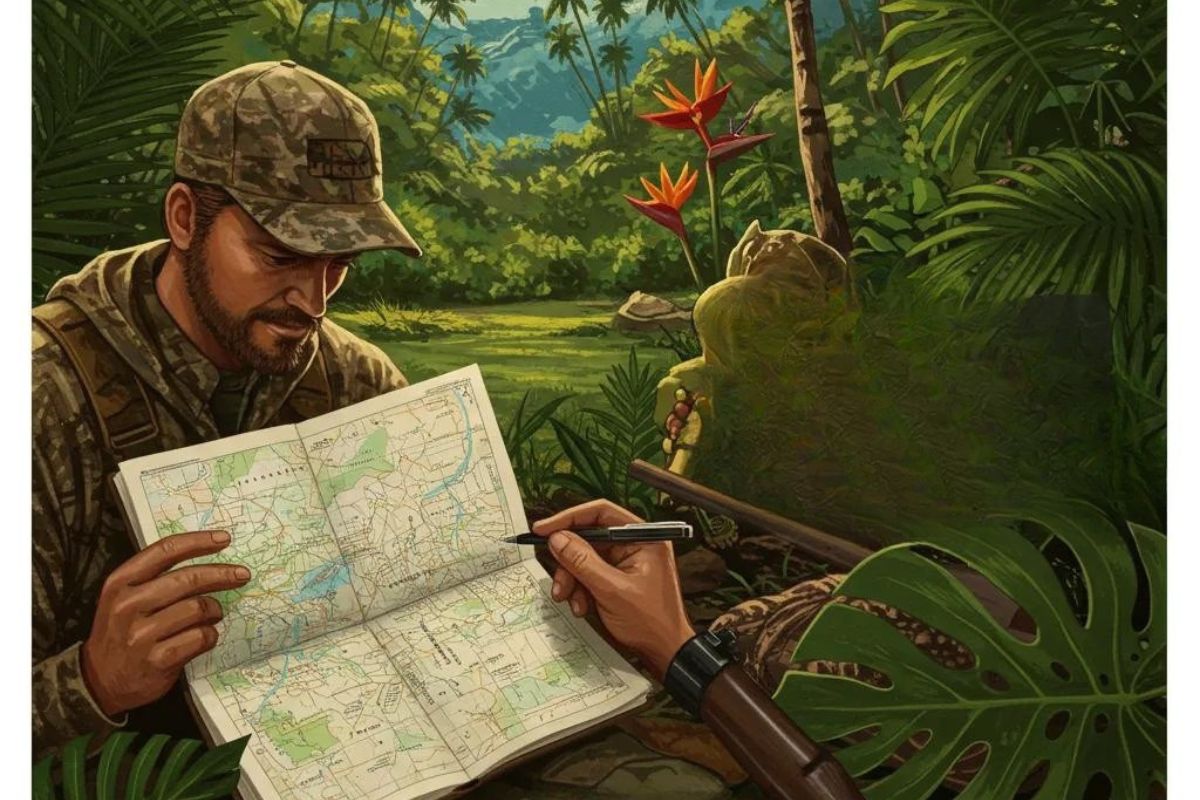
What Are the Hawaii Axis Deer Hunting Regulations You Need to Know

Hawaii’s axis deer hunting regulations define who can hunt, what documentation is required, and which land types allow take; understanding these rules prevents legal issues and guides planning. The regulatory framework is enforced by the state wildlife authority and separates resident and non-resident licenses, hunter education requirements, and island-specific access rules such as lotteries or tags for certain public areas. Complying with licensing and tagging ensures ethical harvest reporting and reduces fines, while following island rules preserves access for future hunters. Below is a focused table summarizing typical license types, requirements, and issuing authority to clarify what you need before arriving.

What Licenses and Permits Are Required for Axis Deer Hunting in Hawaii?
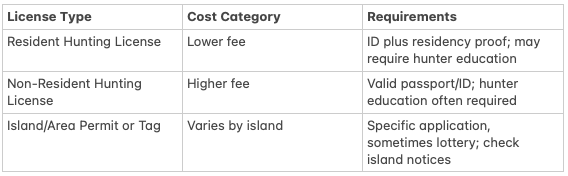
Licenses and Permits

Hunters must hold a valid state hunting license and any required tags or permits; residents and non-residents face different fees and documentation standards. Licenses usually require identification, proof of residency for resident rates, and completion of hunter education where applicable; non-residents should prepare passport or ID and allocate extra time for permit processing. Apply through the state wildlife authority well before travel dates and carry printed or digital proof while hunting. A quick checklist helps ensure you bring the right documents and confirmations to the field.

Related Article: Top 5 Things to Know Before Applying for a Hawaii Hunting License

This table summarizes common license and permit types and emphasizes checking current state guidance for exact fees and application windows. Knowing which license covers private-land versus public-land hunts helps you plan travel and secure access early.

How Does Hunter Education Affect Your Hawaii Hunting License?

Hunter education is a qualifying requirement for many applicants and is a cornerstone of licensing—completing an approved course demonstrates competence in safe firearms and ethical hunting practices. Some states have reciprocity for hunter education certifications, so bringing proof of an out-of-state course can speed licensing; if reciprocity does not apply you must complete the state-approved course. Hunter education typically covers firearm safety, wildlife regulations, and ethical shot placement, which directly improves field outcomes and reduces accidents. Keep your certification documentation accessible during licensing and while hunting to avoid administrative delays and to demonstrate compliance to landowners or guides.

What Are the Island-Specific Hunting Rules for Maui, Lanai, and Molokai?
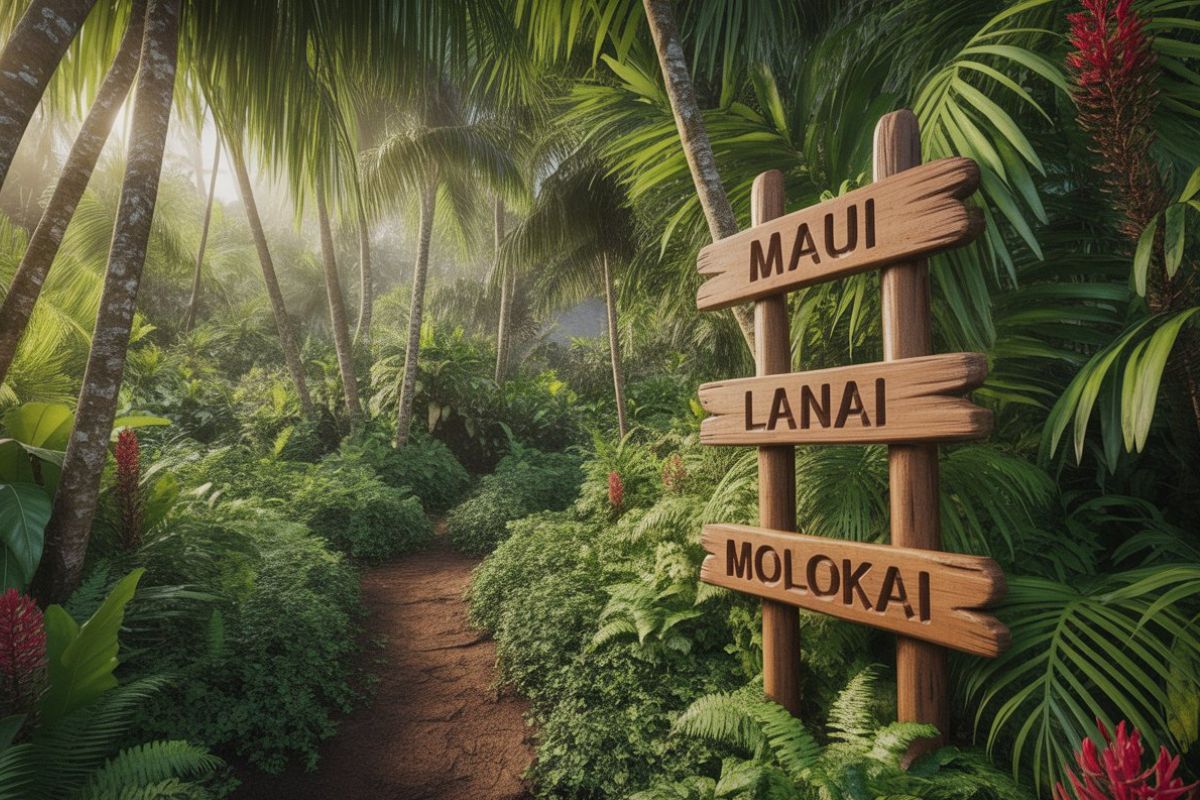
What Are the Island-Specific Hunting Rules for Maui, Lanai, and Molokai

Island-level rules vary: some islands use permit lotteries for public-land access, others are dominated by private ranches with permission-based access, and seasonal notices can change available areas. Check island notices about closed zones, special hunts, or temporary restrictions before planning travel; contacting the local wildlife authority or land managers provides the most current guidance. For islands where lotteries apply, note deadlines and prepare required identification and registration information ahead of time. Awareness of island-specific rules prevents access surprises and helps prioritize islands that match your hunt style—public-land DIY, guided private-ranch hunts, or a mix of both.

When Is the Official Axis Deer Hunting Season in Hawaii?
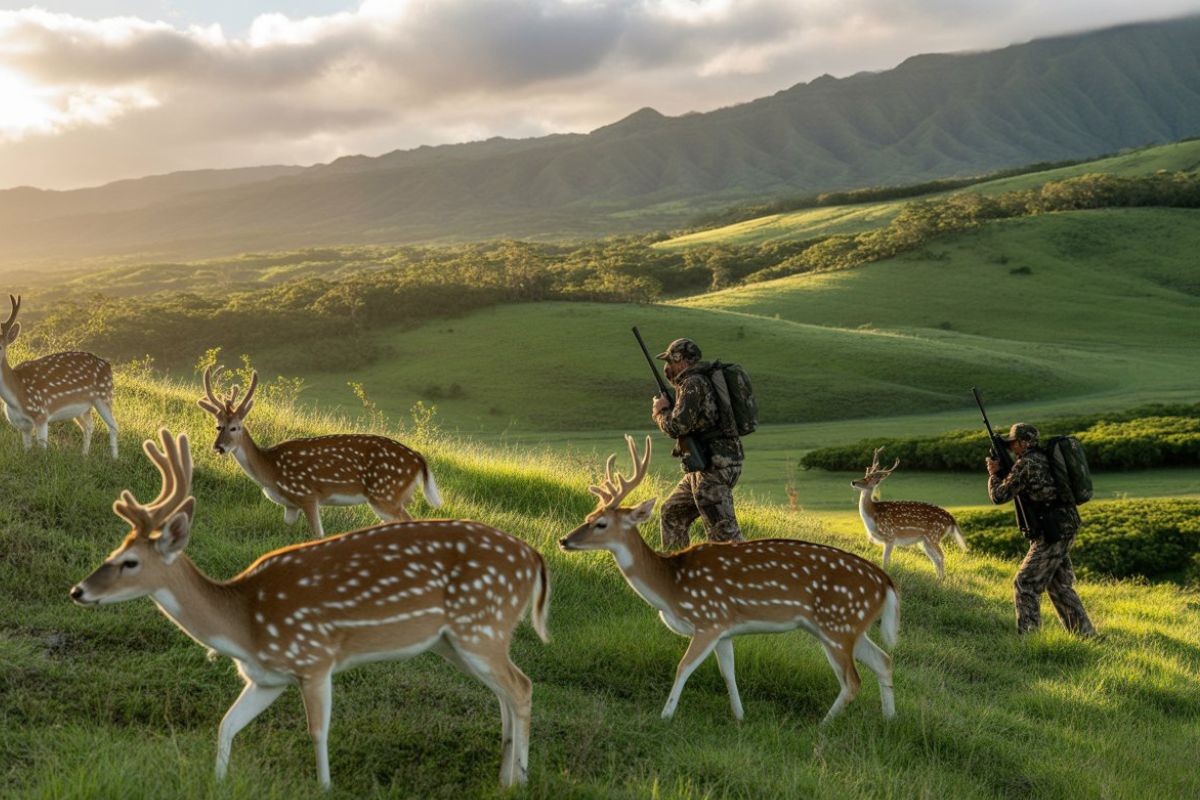
When Is the Official Axis Deer Hunting Season in Hawaii

Axis deer can be hunted year-round on many private lands, while public-land seasons and specific hunts follow island and management schedules that may open or close areas seasonally. Trophy hunters often target months tied to increased rut activity when bucks are more mobile and visible, while meat-focused hunts prioritize times when weather aids tracking and transport. Because island microclimates affect movement, consider local seasonal patterns—drier months often improve access and glassing, while wet periods can push deer to lower elevations. Planning around both legal seasons and practical windows increases success and reduces logistical complications.

Which Hawaiian Islands Offer the Best Axis Deer Hunting Experiences?
Hawaiian Islands

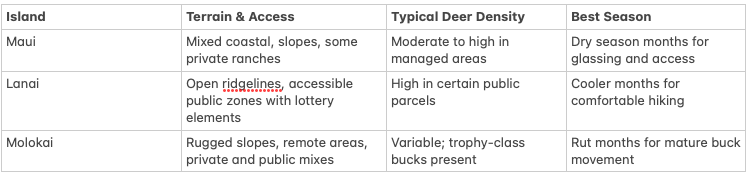
Choosing an island for your axis deer hunt depends on your goals—trophy pursuit, budget DIY access, or a guided package with logistics handled—and on terrain and deer distribution. Each island offers distinct terrain types, access models, and deer densities that change the hunting tactics and physical demands required. Below is a comparison table designed to help match hunter goals to islands, highlighting terrain, access type, typical deer density, and best seasons for each option. Use this to narrow choices and plan travel and gear specific to island conditions.

This island comparison clarifies how terrain and access shape hunt planning, and it encourages contacting local authorities or outfitters for up-to-date access notices. Matching island characteristics to your method—spot-and-stalk, glass-and-approach, or ambush—reduces wasted travel and increases harvest chances.

Why Is Maui a Top Destination for Axis Deer Hunting?

Maui blends varied terrain—coastal valleys, mid-elevation slopes, and managed private properties—creating diverse hunting scenarios that suit spot-and-stalk and glassing strategies. Hunters often find moderate to high densities in managed zones where private ranches maintain deer populations; access may combine public parcels and permission-based areas. Typical hunt durations range from day trips for focused glassing to multi-day trips that include scouting and overnight hikes, so logistics should include lodging near access points and planning for transport to remote trailheads. Given Maui’s variety, gear that balances agility for slopes and optics for distance scanning increases effectiveness, making it a versatile destination for many hunter profiles.

What Makes Lanai Ideal for Public Land Axis Deer Hunts?

Lanai is known for accessible ridgelines and open country that favor spot-and-stalk tactics, and it offers defined public parcels where hunters can encounter high deer densities. Some public areas use permit systems or lotteries to manage pressure and conservation goals, so prospective hunters should plan registration and permit submissions well in advance. The island’s open terrain rewards glassing and long approaches, and hunters benefit from lightweight loadouts and hydration planning for sun-exposed ridgelines. For DIY hunters seeking public-land experience, Lanai can provide good value and approachable logistics compared with more privately dominated islands.

How Does Molokai Compare for Trophy Axis Deer Hunting?

Molokai’s rugged slopes and pockets of less-pressured habitat create conditions favorable to mature bucks, giving it a reputation among hunters chasing trophy-class antlers. The physical demands are higher due to steep, uneven ground and remote access points, so hunters should plan for increased stamina, conservative shot opportunities, and thorough recovery strategies. Outfitters and some private land opportunities exist that help offset access difficulties, but regardless of approach, expect long glassing sits and extended stalks when targeting trophies. Choosing Molokai for trophy hunting requires matching physical preparation, gear, and timing to the island’s specific challenges.

How Do Public and Private Lands Differ Across These Islands?

Public lands generally allow DIY access with seasonal rules, quotas, or lotteries, while private lands typically require permission or booking through outfitters and often offer higher success rates due to management. Costs differ: public-land hunts minimize access fees but increase the need for scouting, time, and self-sufficiency; private-land or guided hunts often include logistics that cut your on-the-ground planning but add guide fees and package costs. To secure private access, contact land managers or reputable outfitters (generic reference only) and obtain written permission; for public lands, register for lotteries and verify permit windows well in advance. Understanding these differences helps you choose an approach that balances budget, success probability, and the style of hunt you prefer.

How Do Guided and Self-Guided Axis Deer Hunts in Hawaii Compare?
How Do Guided and Self-Guided Axis Deer Hunts in Hawaii Compare

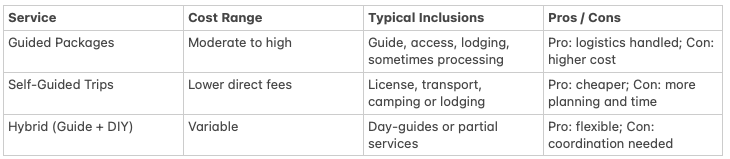
Guided and self-guided hunts differ mainly by logistics, success rates, and upfront costs; guided hunts typically bundle expertise, access, and processing, while self-guided trips require more planning but can reduce direct fees. Guided services can include guides, lodging, meals, and processing, which streamlines the hunt and increases time-on-target efficiency; self-guided hunters must secure permits, transportation, and processors independently. Deciding between options depends on experience, comfort navigating island terrain, and budget—novice hunters or those short on planning time often favor guided packages for convenience. Below is a concise comparison table to weigh typical inclusions, cost ranges, pros, and cons for each service style.

This comparison clarifies trade-offs; when discussing guided options with providers, ask about access permissions, meals, lodging, and whether meat processing or trophy preparation is included to avoid surprise costs.

What Are the Benefits of Guided Axis Deer Hunts in Hawaii?

Axis Deer Hunting in Hawaii guided hunts provide local knowledge of terrain, deer patterns, and access relationships that often increase success and reduce logistical friction, especially on islands dominated by private properties. Guides manage safety, route-finding on steep slopes, and recovery of game, and they can arrange processing and short-term meat care in warm climates—services that are difficult to coordinate on short notice. For hunters traveling from off-island, guides also often handle lodging recommendations and transport logistics, saving time and reducing uncertainty. When vetting guided options, ask what the package includes and which practical services—like meat processing or trophy caping—are covered to avoid surprise costs.

How to Plan a Self-Guided Axis Deer Hunt in Hawaii?

Self-guided hunts require proactive permit acquisition, scouting, transport planning, and pre-arranged processing options; a practical timeline starts 6–8 weeks before travel to secure licenses, island permits, and processor availability. Scouting can be remote: study topography, elevation bands where deer congregate, and access points; arrive early for on-the-ground reconnaissance and to verify access routes. Pack for tropical heat and steep terrain with hydration systems, quick-dry layers, and field-processing supplies so you can cool and transport meat safely. Risk management—telling someone your route, carrying emergency communication, and understanding island weather—keeps DIY hunts safe and successful.

Which Outfitters Offer the Best Axis Deer Hunting Packages?

Rather than naming companies, evaluate outfitters by a checklist of credentials, inclusions, and references to determine which packages match your needs and budget. Key evaluation points include licensing and insurance, client references or testimonials, sample itineraries showing inclusions (guide ratios, lodging, meals), what processing or taxidermy support is offered, and clear cancellation or refund policies. Ask specific questions about success rates for the type of hunt you want (trophy vs meat), what terrain they commonly operate in, and whether they handle transport to processors. Use those evaluation criteria to compare offers and request itemized quotes so you can compare apples-to-apples.

How Much Does an Axis Deer Hunt Cost in Hawaii?

Budgeting for an axis deer hunt involves license fees, travel, lodging, guide fees (if used), and post-hunt services such as processing and trophy shipping; transparent itemizing helps prevent surprise expenses. Typical cost categories include non-resident or resident licenses, ferry or flight to the island, local transport or rental vehicles, guide fees or package rates, meat processing and vacuum packaging, and taxidermy or shipping for trophies. Optional paid services to include in your budget are guide fees, meat processing, taxidermy, and trophy shipping; compare offers from reputable outfitters and local processors to identify the best value. Below is a concise bulleted cost checklist to help you estimate and prioritize expenses.

  • Non-resident or resident license fees and island permit costs
  • Travel: flights, ferries, and in-island transport or rental vehicles
  • Guide fees or package rates when using guided services
  • Post-hunt services: meat processing, vacuum sealing, taxidermy, shipping

Comparing listed items from multiple providers and considering off-season travel or group trips are practical strategies to lower per-hunter costs while maintaining quality.

What Essential Gear and Hunting Methods Should You Prepare for Hawaii Axis Deer Hunts?


Essential gear for Hawaii axis deer hunts prioritizes hydration, sun protection, agility for steep slopes, and reliable optics for glassing; selecting the right kit reduces fatigue and improves chances of a clean, ethical harvest. Weapons and calibers should match axis deer size and allow humane shot placement at practical ranges, while optics—binoculars and spotting scopes—are critical for scanning open slopes and ridgelines. Clothing that wicks and dries quickly and boots with good ankle support for wet, uneven ground help maintain mobility and safety. The following gear checklist and method comparisons will guide your equipment choices and help decide whether spot-and-stalk, archery, or rifle hunting fits your skillset and island terrain.

What Is the Recommended Gear List for Axis Deer Hunting in Hawaii?
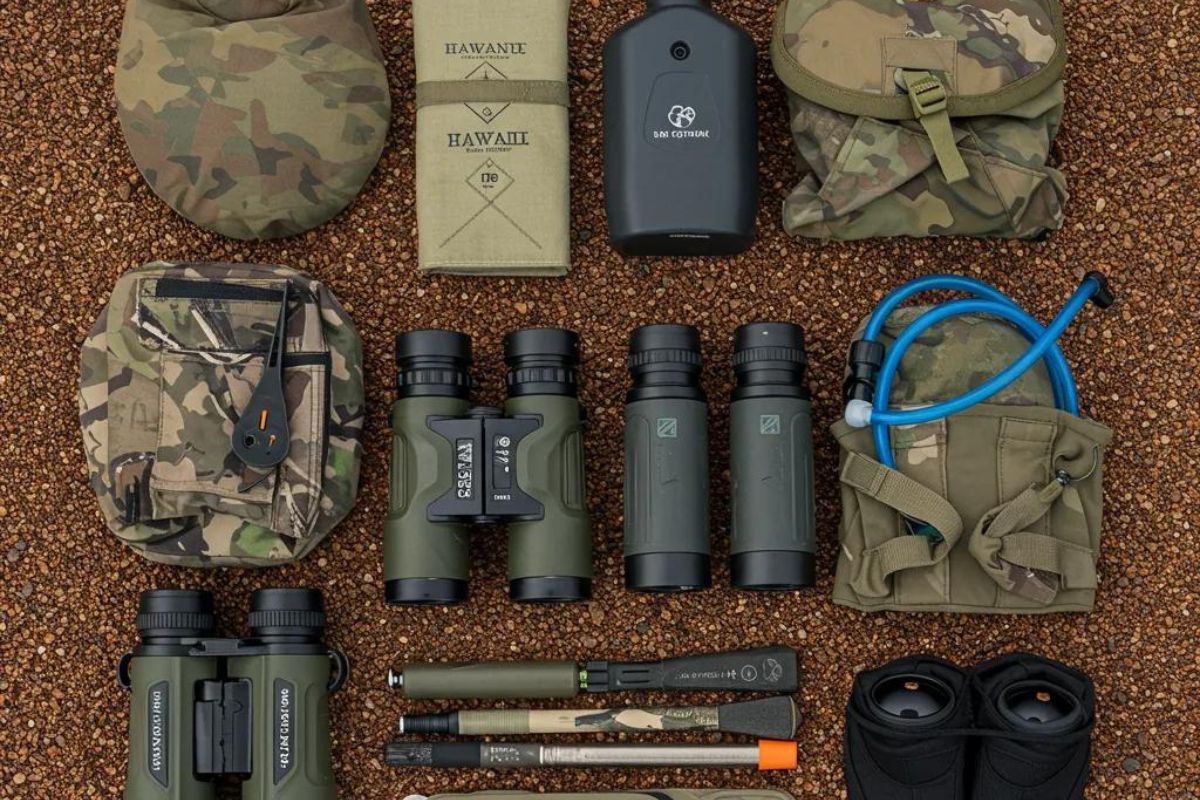
What Is the Recommended Gear List for Axis Deer Hunting in Hawaii

Pack prioritized essentials first: reliable optics, hydration systems, sun protection, lightweight rain layers, sturdy boots, and field-processing supplies to manage meat in tropical temperatures. Weapon choice should favor calibers suitable for humane kills on deer at typical engagement ranges; bring appropriate ammunition and case protections for travel. Include first-aid, emergency comms, and portable cooling/insulation for rapid meat cooling; airline and transport rules for firearms and processors’ pickup hours require pre-planning. A short “nice-to-have” list includes lightweight game carts for short hauls, gaiters for thorny brush, and backup optics.

Recommended Gear:

1. Optics & Glassing: Binoculars and a spotting scope for long-range detection.
2. Hydration & Clothing: Hydration bladder, quick-dry layers, sun protection, rain shell.
3. Field Processing Kit: Knives, gloves, game bags, cooler or ice packs for cooling.

This prioritized list helps you assemble a mobile, tropical-ready kit that balances safety, meat quality, and mobility for island hunting.

Which Hunting Methods Work Best: Spot and Stalk, Archery, or Rifle?
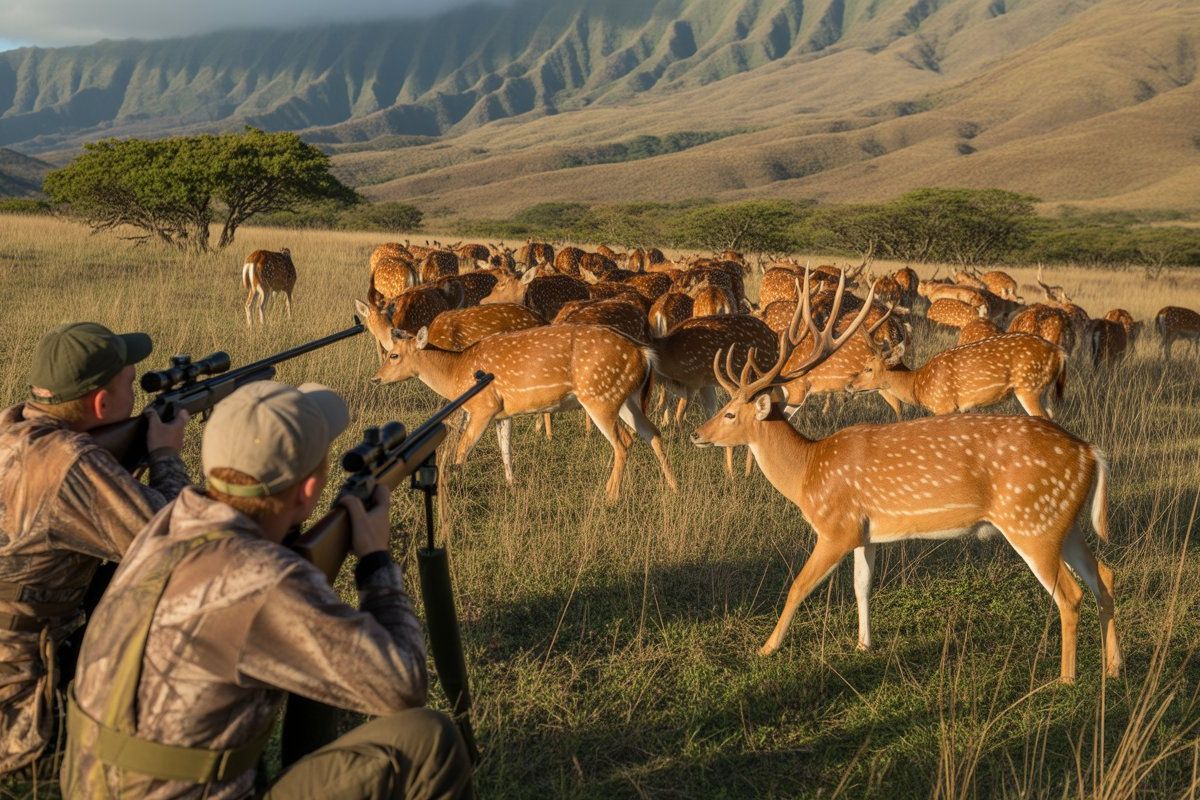
Spot-and-stalk excels on open slopes and ridgelines where deer are visible at range and approach angles allow concealment; glassing first and planning wind-conscious approaches increases success. Archery requires closer stalking and favors terrain with good cover to close distances; expect higher physical demands and prepare for meticulous recovery planning. Rifle hunting can be effective where terrain permits stable shooting positions and ethical long-range shots, but steep island slopes often favor shorter, controlled approaches. Choose your method based on island terrain, your skill level, and the distance ranges you expect to encounter, and tailor gear and practice accordingly.

Similar Link: Bowhunting vs. Rifle Hunting: The Best Method for Axis Deer in Hawaii

How Should You Physically Prepare for Hawaii’s Terrain and Conditions?

Conditioning for island hunting focuses on cardiovascular endurance, lower-body strength, and balance to handle steep ascents and descents with loaded packs. Sample training includes hill repeats, loaded backpack hikes, and strength workouts targeting hips, quads, and core to reduce injury risk and fatigue in the field. Heat acclimation through progressive exposure to hot-weather exercise and disciplined hydration planning reduces risk of heat-related issues during long glassing or stalks. Safety planning—route planning, emergency contacts, and conservative turn-back rules—pairs with fitness to keep hunts productive and safe.

How Can You Ethically Hunt Axis Deer and Support Conservation in Hawaii?

Ethical hunting in Hawaii combines legal compliance, humane shot placement, respect for landowners and communities, and actions that support conservation goals aimed at reducing ecological impacts of invasive species. Axis deer are a non-native species in Hawaii whose populations can damage native vegetation and agricultural areas; responsibly conducted hunting contributes to population control and ecosystem protection when aligned with management plans. Ethical practices include obtaining permission, using appropriate calibers and shot placement, promptly recovering animals, and minimizing waste. Engaging with local programs and following state guidance ensures hunting supports broader conservation objectives.

Why Is Axis Deer Hunting Important for Hawaii’s Ecosystem?

Axis deer can overbrowse native plants, alter vegetation structure, and negatively affect habitat for endemic species; hunting is one management tool used to reduce these pressures and protect sensitive ecosystems. Those who Hunt Axis Deer in Hawaii contribute directly to population control through targeted harvests, helping to reduce browsing intensity and support restoration efforts when combined with fencing or habitat management. Hunters who report harvests, follow tagging requirements, and participate in management hunts provide valuable data for wildlife managers monitoring populations. Understanding this ecological role frames hunting as active participation in responsible landscape stewardship rather than just recreation.

What Are the Ethical Hunting Practices to Follow in Hawaii?

Ethical practices include securing proper permissions, using legal and humane methods, completing required tagging/reporting, and minimizing environmental impact by packing out waste and following leave-no-trace principles. Aim for definitive, ethical shot placement and immediate recovery to reduce suffering and ensure meat quality; when using archery, practice conservative shot choices given recovery difficulty. Respect landowners and local communities—ask permission, follow property rules, and leave areas as you found them. Ethical conduct preserves access and uplifts the reputation of hunting as a conservation-minded activity.

How Does Hunting Support Local Communities and Traditions?

Hunting contributes economically through guided services, lodging, and processing work, while providing venison to local families and community food programs in some areas. Engagement with local traditions and respectful sharing of harvests supports cultural ties and demonstrates positive community impact when conducted with permission and cultural awareness. Hunters can support local economies by using local processors, taxidermists, and outfitters in ways that benefit multiple service providers. Thoughtful community interactions and transparency about hunting practices build goodwill and sustain access over the long term.

What Should You Know About Post-Hunt Processing, Venison, and Trophy Care?

Immediate field care, rapid cooling, and coordination with local processors are essential for preserving venison quality in warm island climates and ensuring trophies are prepared correctly for shipping. Tropical conditions accelerate spoilage, so prioritize field dressing, prompt cooling, vacuum sealing, and arranging processor pickup times before hunting. Taxidermy and trophy shipping require planning for preservation methods, documentation, and timelines to avoid degradation. Below are practical processing steps, culinary uses, and logistics guidance to turn harvests into quality meat and preserved trophies.

How Do You Properly Process and Preserve Axis Deer Meat in Hawaii?

Field dress promptly, cool meat by shrouding in shade and using ice packs or a cooler as soon as possible, and transfer to a local processor for skinning, aging if appropriate, and vacuum sealing. Coordinate processor availability in advance to ensure pickup windows align with your harvest timing—this prevents meat sitting in warm conditions. Use vacuum sealing and freezing for long-term storage, and label packages clearly for transport home; knowing airline or shipping restrictions for meat helps avoid last-minute headaches. Planning processor and cooler logistics before your hunt keeps venison safe and saleable if needed.

What Are Popular Hawaiian Venison Recipes and Culinary Uses?

Venison adapts well to Hawaiian flavors—simple grilling with citrus and soy marinades, slow-cooked stews with local vegetables, or thinly sliced preparations that echo poke-style marinades work particularly well. Venison’s lean profile benefits from marinades or slower cooking methods to enhance tenderness and flavor, while small-batch curing and sausage making provide durable, travel-friendly options. Try grilled medallions with a tropical salsa or a slow-simmered luau-style stew to blend local ingredients and venison’s rich flavor. Storing and reheating vacuum-sealed portions preserves texture and minimizes drying during transport.

How Should You Handle Trophy Care and Shipping Logistics?

Caping or field-preserving skulls and antlers immediately reduces damage and prepares trophies for professional taxidermy; temporary preservation techniques include cooling and dry packing until transfer to a taxidermist. Choose between full mount and shoulder mount early to determine preparation steps and timelines, and contact local taxidermists to understand estimated completion times and shipping options. For international or out-of-state shipping, prepare paperwork, declare contents as required, and package skulls and antlers securely to prevent damage. Early coordination with taxidermists and shippers ensures smooth transport and preserves trophy quality.

What Are the Best Times and Strategies to Hunt Trophy Axis Deer in Hawaii?

Timing for trophy hunting balances rut-influenced movements, weather windows that affect access and visibility, and island-specific patterns that shift where mature bucks concentrate. Targeting rut months increases buck mobility and calling opportunities, while dry-weather windows make glassing and approach easier on steep slopes. Weather also shapes tactics: wind and rain change deer feeding patterns and affect scent control, so plan flexible itineraries and watch forecasts. Tactical spot-and-stalk advice, glassing techniques, and wind-reading strategies below enhance your ability to find and close on trophy-class bucks.

When Is the Rut Season for Axis Deer in Hawaii?

Rut timing varies by island and local conditions but commonly centers on months when bucks exhibit increased movement and mating behaviors that make them more visible and vocal. During rut, bucks are likelier to leave cover and engage in focused travel, offering more encounter opportunities, but also prompting cautious shot selection due to increased activity and potential for disturbed recovery. Learn rut signs—rubbed vegetation, increased vocalization, and trailing bucks—and adjust tactics to prioritize concealment during daylight hours. Aligning travel plans to overlap with local rut peaks improves likelihood of encountering mature bucks.

How Does Weather Affect Hunting Success Across Hawaiian Islands?

Rain, wind, and microclimate shifts change deer behavior: heavy rain can push deer to sheltered lower elevations, while steady trade winds can mask approaches on exposed ridgelines. Planning for weather means carrying waterproof layers, securing reliable shelter options, and scheduling glassing during low-wind windows when visibility and sound discipline are favorable. Sudden weather changes require flexible plans, extra water, and emergency gear for safe extraction from remote areas. Understanding local microclimates and monitoring forecasts helps you choose days with the best access and movement conditions.

Read More: The Best Islands for Hunting in Hawaii: Oahu, Maui, Kauai, and the Big Island

What Tactical Tips Improve Your Success in Spot and Stalk Hunting?

Effective spot-and-stalk hinges on glassing from high vantage points, reading terrain funnels, and approaching along cover or downwind angles to reduce scent detection by deer. Use semantic triples in planning: “Hunter → reads → terrain funnels” and “Glassing → identifies → travel corridors” to structure scouting and approach decisions. Practice slow, deliberate movements and re-glass after each reposition to confirm deer locations; when closing, prioritize broken terrain for concealment and choose shooting positions that minimize risky downhill shots. Planning recovery routes and carrying tools for humane dispatch and immediate cooling ensures ethical outcomes and meat quality.

Hunting Hawaii License Requirements: What Every Hunter Should Know

Hunting Hawaii License

Dreaming of hunting in paradise? Hawaii offers a unique and breathtaking hunting experience, from pursuing feral pigs in lush rainforests and axis deer on arid plains to hunting Spanish goats on volcanic slopes. But before you pack your gear and book your flight, understanding Hawaii’s specific hunting license requirements is your first and most crucial step.

Navigating the regulations can seem complex, but don’t worry—this guide from Go Hawaii Outfitters will break down exactly what you need to know to hunt legally and responsibly in the Aloha State.

The Golden Rule: It’s a Two-Step Process

Forget what you know about other states. In Hawaii, simply having a hunting license is not enough. You must have both:

1. A Valid Hawaii Hunting License.
2. A Permit for the specific area you plan to hunt (often called a Hunter Access Permit).

As stated on the official eHawaii.gov portal, “A hunting license alone does not allow you to hunt. You must have a permit for the area you wish to hunt.” You cannot get a permit without first having a valid hunting license. Think of the license as your permission to hunt in the state, and the permit as your key to a specific piece of land.

Who Needs a Hawaii Hunting License?

Hunting Hawaii License Requirements

  • Generally, anyone 15 years of age or older must have a hunting license to hunt any game bird or mammal in Hawaii. This applies to both residents and non-residents.
    Exceptions:
  • Landowners hunting on their own land do not need a license (but may need permits for certain game).
  • Minors under 15 are not required to have a license, but they must be accompanied by a licensed adult. The adult is responsible for ensuring all hunting laws are followed.

Step 1: Getting Your Hawaii Hunting License

You can purchase your Hawaii hunting license online, by mail, or in person.

  • Online (Recommended): The easiest method for most people is through the Hawaii Department of Land and Natural Resources (DLNR) website. You’ll need to create an account, complete a brief online hunter education quiz (if you haven’t already certified), and pay with a credit card. You can print your license immediately.
  • In Person: Licenses are sold at various Division of Forestry and Wildlife (DOFAW) offices on all major islands and at some licensed fishing and hunting supply stores.
  • By Mail: You can download an application form from the DLNR website and mail it with a check or money order.

License Fees (Subject to change):

  • Resident: $20
  • Non-Resident: $105
  • Term: All hunting licenses are valid for a strict one-year term from July 1 through June 30 of the following year (the state’s fiscal year), regardless of when you purchase it. This is a critical detail to remember for trip planning.

Mandatory Hunter Education

This is a key point clarified on the state website: All hunters, regardless of age, must show proof of having successfully completed a hunter education course to purchase a hunting license.

  • Hawaii recognizes hunter education certifications from all other states and Canadian provinces.
  • If you haven’t taken a course, Hawaii offers an online option followed by a short, in-person field day. You can complete the online portion to purchase a temporary license before attending the field day.

Step 2: Securing Your Hunter Access Permit

This is where many newcomers get tripped up. Hawaii’s public hunting areas are managed as either:

  • Public Hunting Areas (PHAs): Require a Hunter Access Permit, which is typically free. You must apply for these for a specific island and season. Availability is often limited and may be issued via lottery for certain units.
  • Non-Public Hunting Areas: These are private or state lands that may require a special, often paid, permit. This includes many Ungulate Control Areas designed to manage populations of pigs, goats, and deer.

How to Get a Permit:

1. Identify Your Target Area: Use the Go Hunt Hawaii website to explore maps and see which units are open for hunting and what game is available. Need help choosing? The team at Go Hawaii Outfitters has intimate knowledge of the islands’ hunting units and can help guide you based on your goals and season.
2. Check the Schedule: Hunting seasons for specific game and areas are broken into periods. You must apply for the correct period.
3. Apply Online: The online portal is the primary way to apply for free Public Hunting Area permits. For controlled hunts, there is usually a lottery application window.
4. Carry It With You: Your permit must be in your possession while hunting, along with your hunting license and government-issued ID.

Key Things to Remember & Pro Tips

  • Island-Specific Rules: Regulations can vary significantly from island to island (Oahu, Maui, Kauai, Hawaii Island, Lanai, Molokai). Always check the rules for the specific island you plan to hunt on.
  • Tags & Reporting: For certain game, like axis deer on Lanai or Molokai, you may need to draw a tag in addition to your permit. Furthermore, harvest reporting is mandatory for all game taken. You must report your harvest through the Go Hunt Hawaii system, even if you were unsuccessful. This data is critical for managing game populations.
  • Respect the `Aina (Land): Hawaii’s ecosystem is fragile and unique. Practice Leave No Trace principles, pack out all your trash, and be respectful of cultural sites and private property.
  • Start Early: Begin your license and permit process weeks or even months in advance, especially if you’re aiming for a coveted controlled hunt lottery spot. Remember the July-June license term when planning your calendar.

Similar Link: Bowhunting vs. Rifle Hunting: The Best Method for Axis Deer in Hawaii

Resources are Your Best Friend

  • Official Website: Hunting in Hawaii ePortal – This is your one-stop shop for licenses, permits, regulations, maps, and harvest reporting.
  • Division of Forestry and Wildlife (DOFAW): Contact the local office on the island you wish to hunt for the most current information.
  • Go Hawaii Outfitters: For those looking to simplify the process and maximize their success, booking a guided hunt with us ensures all permits, licenses, and access are handled for you. We provide expert knowledge of the terrain, game patterns, and regulations, allowing you to focus on the experience.

Hunting in Hawaii is an unforgettable adventure. By taking the time to understand and secure the proper licenses and permits, you ensure your trip is legal, ethical, and set up for success. Now get out there and enjoy the incredible hunting opportunities that the islands have to offer.

Beginner’s Guide to Guided Hunts in Hawaiʻi: What to Expect

If you’re new to hunting—or just new to hunting in Hawaiʻi—your first guided hunt can feel both exciting and a little intimidating. But don’t worry—guided hunts are designed to be safe, informative, and unforgettable, especially when you’re in the hands of experienced local professionals like the team at Hunting Outfitters Hawaiʻi.

In this guide, we’ll walk you through everything you need to know before your boots hit the ground. From what gear is provided to how animal tracking works in Hawaiʻi’s unique terrain, we’ve got you covered.

Why Choose a Guided Hunt?

Hawaiʻi isn’t just about beaches and luaus—it’s also home to diverse wildlife, including Axis deer, wild boar, mouflon sheep, and more. But navigating the terrain, understanding animal behavior, and staying safe while doing it takes local knowledge and experience.

That’s where a guided hunt comes in. With our expert team, you get:

  • Access to exclusive hunting grounds
  • Insightful local guidance
  • All necessary permits handled
  • A focus on ethical, sustainable hunting practices

What’s Included in a Guided Hunt?

Here’s what you can expect when you book a hunt with us:

🥾 Gear & Equipment

Don’t worry about buying top-of-the-line gear on day one. Most of our guided packages include:

  • Firearms or bows (or bring your own)
  • Optics and scopes
  • Field dressing tools
  • Safety gear and communication equipment

We’ll give you a full gear checklist before your hunt—so you know exactly what’s covered and what you might want to bring (like hiking boots, layers, and sun protection).

🗺️ Location Scouting

One of the best parts of going guided? You don’t have to do the scouting. Our team pre-scouts the area so we know where the game is moving and when. We use a mix of traditional tracking, GPS, and game cameras to give you the best chance of success—while also respecting the animals and environment.

🐾 Tracking and Hunting Techniques

Our guides will walk you through:

  • How to recognize tracks and game trails
  • How to move quietly and approach game with care
  • The best vantage points and shooting techniques
  • How to judge animal age, size, and ethical shot placement

Whether you’re hunting with a bow or rifle, our team adapts the experience to your skill level.

Safety First, Always

We take safety very seriously. Before the hunt, you’ll go through a thorough safety briefing that covers:

  • Terrain awareness
  • Firearm/bow handling
  • Emergency protocols
  • Hydration and first-aid practices

You’ll never be left on your own—our guides are with you every step of the way to make sure your hunt is both thrilling and secure.

What Makes Hawaiʻi Hunting Unique

Hawaiʻi’s hunting landscape is incredibly diverse. One day you could be in lush forests and highland ranges, and the next on rolling grasslands overlooking the Pacific Ocean. Our hunting areas are on private lands, which means:

  • No crowds
  • Ample game
  • Breathtaking backdrops

And because Hawaiʻi’s game species are non-native, your hunt contributes to ecological balance and habitat restoration—making it an experience you can feel good about.

Tips for First-Time Hunters

  • Stay hydrated. The tropical climate can sneak up on you.
  • Listen to your guide. They’ve likely tracked this area for years.
  • Be patient. Sometimes the best moments in the wild are the quiet ones.
  • Ask questions. We’re here to teach, not just to lead.

Ready for Your First Hunt?

At Hunting Outfitters Hawaiʻi, we’re passionate about creating memorable, safe, and successful hunting adventures for hunters of all levels. Whether you’re a total beginner or just new to the islands, we’ll take care of the details so you can focus on the experience.

Book your hunt today and discover what it means to explore Hawaiʻi’s wild side—guided by professionals who love what they do.