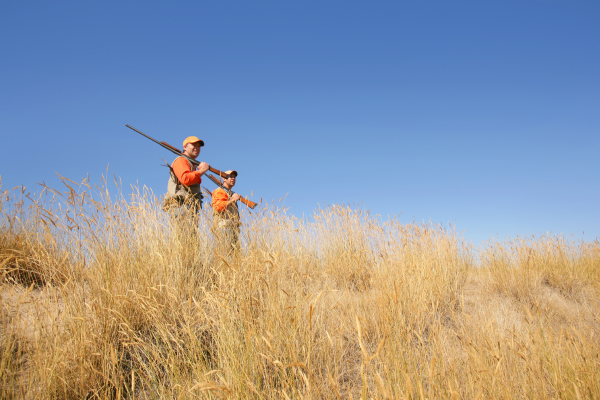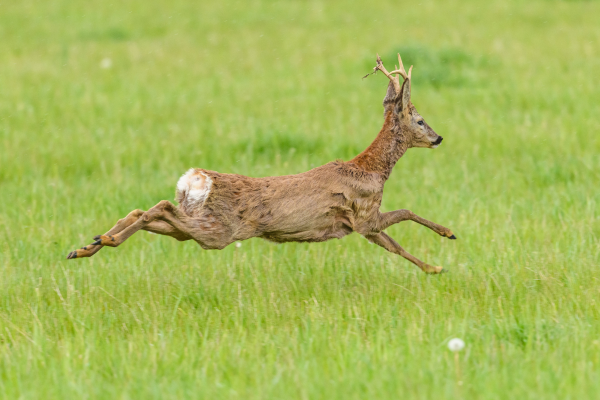
The Hawaiian Islands are known for their breathtaking beaches and rich culture—but for hunters, they’re also home to one of the most prized big game species: Axis deer. Fast, graceful, and challenging to hunt, Axis deer (also called chital) have become one of Hawaiʻi’s most sought-after game animals.
At Hunting Outfitters Hawaiʻi, we offer expertly guided Axis deer hunts that combine thrilling pursuit with ecological stewardship. Whether you’re a seasoned hunter or new to the sport, understanding the history, habits, and seasons of Axis deer in Hawaiʻi will help you plan an unforgettable hunt.
How Did Axis Deer Get to Hawaiʻi?
Axis deer (Axis axis) are not native to the islands. They were first introduced to Hawaiʻi in 1868, when a gift of eight deer was sent from India to King Kamehameha V. Originally released on Molokaʻi, they were later introduced to other islands, including Maui and Lānaʻi, where their populations have since exploded due to the lack of natural predators.
Today, Axis deer are both a popular game species and an ecological challenge. Their large numbers contribute to overgrazing, erosion, and damage to native ecosystems. That’s why responsible hunting plays such an important role in helping manage their impact.
Behavior of Axis Deer
To hunt Axis deer effectively, it helps to understand their behavior:
🦌 Herd Animals with Keen Senses
Axis deer typically move in herds—especially females and young. Bucks may travel solo or in small bachelor groups. They have sharp eyesight, a strong sense of smell, and quick reflexes, which means hunters must be stealthy and strategic.
🌿 Grazing and Movement Patterns
These deer are crepuscular, meaning they’re most active at dawn and dusk. During the day, they rest in shaded areas, making spotting and stalking an ideal technique for experienced hunters.
They tend to favor:
- Open grasslands near water sources
- Forest edges
- Rolling hillsides with tall cover for hiding
🔊 Vocal and Alert
Axis deer are vocal animals. The does often call to their fawns with high-pitched sounds, and bucks may bellow during rutting season. One deer’s alarm call can send an entire herd running—so patience and timing are key.
When Is the Best Time to Hunt Axis Deer in Hawaiʻi?
One of the unique advantages of hunting in Hawaiʻi is that Axis deer breed year-round—so there’s no strict “off-season.” However, the best months for hunting tend to be:
🗓️ June to October – Prime Rutting Season
This is when bucks are most active and vocal. You’ll find mature males displaying territorial behavior, making them easier to locate. The rutting season also allows for:
- More predictable movement patterns
- Opportunity to call in dominant bucks
- Higher success rates for trophy-quality harvests
Winter Months – Cooler, Clear Conditions
From December through February, the weather tends to be drier and cooler, making for more comfortable hiking and better visibility in open terrain. Game is still abundant, and deer are less cautious during feeding.
Why Hunt Axis Deer in Hawaiʻi?
Besides the excitement of the hunt, Axis deer offer several benefits:
- Excellent table fare – Axis venison is lean, tender, and considered one of the best-tasting wild meats.
- Ethical harvest – With no native predators, hunting helps manage overpopulation.
- Year-round opportunity – No long wait for hunting season to open.
- Unmatched views – You’ll experience sweeping ocean vistas, mountain ridgelines, and rugged island landscapes few others ever see.
Tips for a Successful Hunt
Whether you’re hunting on Maui, Molokaʻi, or Lānaʻi, here are a few field-tested tips:
✅ Go guided. Our local guides know the land, the game, and the best vantage points.
✅ Stay quiet and glass often. Axis deer are quick to detect movement and sound.
✅ Dress for terrain and weather. Think light camo, breathable fabrics, and sturdy hiking boots.
✅ Bring quality optics. Spotting from a distance is often essential to success.
✅ Respect the land. We hunt ethically and always follow sustainable practices to preserve Hawaiʻi’s beauty.
Let’s Plan Your Axis Deer Hunt
At Hunting Outfitters Hawaiʻi, we specialize in custom, guided Axis deer hunts designed around your goals, comfort, and experience level. Whether you’re chasing your first harvest or a trophy buck, we’ll help you create a safe, successful, and unforgettable experience.
Contact us today to book your hunt and discover why Axis deer in Hawaiʻi offer one of the most exciting big game pursuits in the Pacific.